Flood water removal vs storm water removal: key differences
Flood water removal handles contaminated ground water that rises into your home. Storm water removal handles rain and runoff intrusion. The cleanup rules differ.
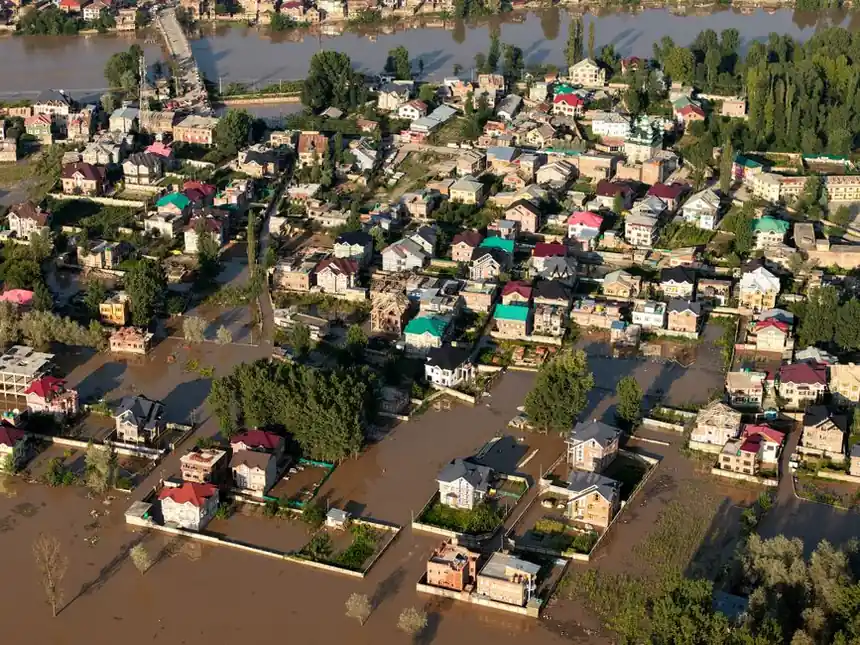
Flood water removal deals with contaminated ground water that rises into your home from outside, while storm water removal deals with rain, roof runoff, and surface drainage that gets in through a failed opening. The two require different safety protocols, different extraction equipment, and different insurance claims in Alabama. If you are staring at water right now, that distinction decides whether you can wade in with a shop vac or need to stay out of the room entirely.
We run both types of jobs across Jefferson and Shelby counties every week. Below, we break down how the two compare on contamination, entry points, extraction methods, cost, and what your Alabama homeowners policy will actually pay for.
The short answer: flood water vs storm water removal
Flood water removal vs storm water removal is a comparison of two water categories that look identical on the floor but are treated completely differently by insurance, by restoration crews, and by health departments.
Flood water is Category 3 - black water. It has touched soil, sewage, animal waste, or road runoff, and it carries bacteria and pathogens. Storm water that enters through a wind-damaged window or a failed door seal is usually Category 2 - gray water. Storm water that sits for more than 48 hours becomes Category 3 as bacteria multiply.
That category label drives everything: how we dress, what we pull out, what gets thrown away, and what your adjuster will approve.
What is the difference between flood water removal and storm water removal in Alabama?
The difference between flood water and storm water removal in Alabama comes down to where the water originated before it entered your home. Flood water came from an overflowing creek, a rising water table, or a backed-up municipal system. Storm water came from rain falling on your own roof, driveway, or yard.
Here is how the two compare on the factors that actually change the job:
- Source: Flood water rises from the ground or a waterway. Storm water falls from the sky and flows across surfaces.
- Contamination: Flood water is almost always Category 3. Storm water is Category 2 unless it has sat for two days or more.
- Entry point: Flood water comes up through floor drains, sump pits, and foundation cracks. Storm water comes in through roofs, windows, doors, and grading failures.
- Insurance: Flood water needs a separate NFIP or private flood policy. Storm water intrusion is usually covered under standard homeowners insurance.
- Typical cost: Flood water removal runs higher because of disposal, disinfection, and material tear-out.
If you cannot tell which one you have, look at the color and smell. Clear water with no odor is likely storm intrusion. Brown, gray, or foul-smelling water is flood or sewage - treat it as contaminated.
Why the contamination category changes everything
The IICRC S500 standard classifies water into three categories, and the category determines what we can save and what has to go to the curb.
Category 1 is clean water from a supply line. Category 2 is gray water with some contamination. Category 3 is black water - grossly contaminated and a health hazard. Flood water is Category 3 by definition. Storm water starts at Category 2 and degrades to Category 3 after 48 hours of standing.
On a Category 3 job, we do not try to dry carpet and pad in place. We cut it out, bag it, and haul it. Drywall that has absorbed black water goes too, typically 12 to 24 inches above the water line. Porous materials cannot be disinfected reliably, and the mold risk in Alabama's humidity is too high to gamble on.
On a Category 2 storm water job, we can often save carpet with a hot water extraction and antimicrobial treatment if we get to it within 24 hours. That single difference - save versus replace - is where the cost gap between the two jobs comes from.
How each type of water gets into your Alabama home
Alabama sits in a humid subtropical climate with an average of 56 inches of rain per year, and the northern half of the state gets hammered by both spring supercells and fall tropical remnants. That weather pattern produces both kinds of water intrusion, often in the same storm.
How flood water gets in
Flood water rises. It comes up through a floor drain when the municipal sewer surcharges, through a sump pit when the pump loses power, through a foundation crack when the water table climbs, or straight over a slab when a creek leaves its banks. In low-lying pockets around Water Removal in Vincent and along the Cahaba and Locust Fork corridors, we see this most often after a 3-inch-plus rain event in a 24-hour window.
How storm water gets in
Storm water falls and flows. It comes through a missing shingle, a clogged gutter that overflows at the fascia, a door threshold that has lost its seal, or a yard that slopes back toward the foundation. Wind-driven rain during a tropical system can push water through window frames that have never leaked before.
We handle both, and we handle the plumbing failures that often get mislabeled as storm damage. A burst pipe water extraction Alabama job, for example, is Category 1 clean water - but if it happens while the power is out during a storm, homeowners often assume it is storm water and file the wrong claim.
Equipment and methods: flood water extraction vs storm water extraction in Alabama
Flood water extraction vs storm water extraction in Alabama uses overlapping equipment but different sequences. Both start with standing water removal, but the flood job adds containment and disinfection steps that a clean storm intrusion does not need.
Here is the sequence we run on a typical flood water job:
- PPE and containment - respirators, Tyvek suits, and plastic barriers to keep contaminated air out of clean rooms.
- Truck-mount extraction - a 4,000 CFM unit pulls standing water at roughly 100 gallons per minute.
- Debris and material removal - carpet, pad, baseboards, and saturated drywall cut and bagged.
- Antimicrobial application - EPA-registered disinfectant on all affected surfaces.
- Structural drying - LGR dehumidifiers and air movers run 3 to 5 days to reach a 12% to 15% moisture content in framing.
- Post-dry verification - moisture meter and thermal imaging readings logged before we pull equipment.
On a storm water job, we skip the containment and heavy disinfection if the water is still clear, and we can often save carpet. The extraction and drying steps are the same. If the storm water came in through a basement wall or floor drain, we treat it like a Basement Water Removal in Alabama job and check the sump system before we leave.
How much does flood water removal cost in Alabama?
Typical 2026 pricing in this area runs $3,200 to $8,500 for flood water removal in a 1,000 to 1,500 square foot affected area, and $1,800 to $4,500 for a comparable storm water intrusion. The gap comes from disposal fees, disinfection, and the extra materials that cannot be saved.
What drives the number up or down:
- Square footage affected. Most jobs fall between 400 and 1,500 square feet.
- Water category. Category 3 adds 30% to 50% over Category 2 for the same footprint.
- Material tear-out. Carpet and pad removal runs $2 to $4 per square foot. Drywall removal runs $3 to $6 per square foot.
- Drying time. Most Alabama jobs need 3 to 5 days of equipment. Longer if the HVAC is down or the windows stay open.
- Contents. Furniture, electronics, and documents add pack-out and cleaning charges.
We give you the number before we start, and we bill the same whether the water came from a creek or a cloud.
Does Alabama homeowners insurance cover flood water removal?
Standard Alabama homeowners insurance covers storm water removal but not flood water removal. That is the single most expensive misunderstanding we run into.
A typical HO-3 policy covers sudden and accidental water damage from rain intrusion, burst pipes, appliance failures, and storm-driven openings. It does not cover water that rises from the ground - that is a flood, and it requires a separate NFIP policy or a private flood policy.
Alabama has roughly 175,000 NFIP policies in force, and the average claim after a major flood event runs $30,000 or more. If you live near a creek, a river, or a low-lying drainage area, the flood policy is the one that pays for the black water job.
Two things to do before you call anyone:
- Photograph the water line on walls and furniture before it recedes.
- Call your adjuster and ask two questions: is this a flood claim or a homeowners claim, and what is my deductible for each?
We document every job with moisture readings, photos, and a written scope so your adjuster has what they need. If your policy covers it, we work directly with the carrier.
Common mistakes we see on Alabama water damage jobs
The mistakes that cost homeowners the most money are almost always made in the first two hours.
- Wading into flood water in street shoes. Black water carries pathogens. We wear rubber boots and gloves on every Category 3 job, and you should stay out of the room until we arrive.
- Running a shop vac on Category 3 water. You will spread contamination into the air and onto surfaces that were clean.
- Turning the HVAC fan to "on." That pulls contaminated air through the whole house. Turn the system off at the thermostat.
- Waiting for the water to dry on its own. Alabama's average relative humidity sits near 75% in summer. Water does not evaporate fast enough to beat mold, which starts growing in 24 to 48 hours.
- Filing a flood claim on a homeowners policy. It will be denied, and the denial can complicate the correct claim.
- Skipping the sump pump check. If the pump failed, it will fail again on the next storm. We see this repeatedly on sump pump failure water extraction Alabama calls.
When to call a professional
Call us when the water is more than a half-inch deep, when it smells, when it came up through a drain, or when it has been sitting for more than 12 hours. Any of those four conditions means the job is bigger than towels and a fan.
We also want the call when you are not sure which type of water you have. Our technicians identify the category on arrival, tell you what can be saved, and get the extraction started the same visit. We serve homeowners across the Birmingham metro and the surrounding communities, and we handle both flood and storm jobs with the same crew and the same equipment.
If you are comparing providers, look for a company that carries IICRC certification, uses truck-mount extraction, and documents moisture readings at every visit. Those three things separate a real restoration job from a guy with a wet-dry vac.
Frequently Asked Questions
What is the difference between flood water removal and storm water removal in Alabama?
Flood water removal handles contaminated ground water that rises into your home - Category 3 black water. Storm water removal handles rain and runoff that enters through roofs, windows, or doors - usually Category 2 gray water. The two require different safety protocols, disposal methods, and insurance claims.
Do I need flood water removal or storm water removal in Alabama?
Check where the water came from. If it rose through a floor drain, sump pit, or foundation crack, you need flood water removal. If it came through a roof, window, door, or wall from rain, you need storm water removal. When in doubt, call us and we will identify the category on arrival.
Who does flood water removal and storm water removal in Alabama?
AL Water Remover Pros handles both across the Birmingham metro and surrounding communities. We carry IICRC certification, use truck-mount extraction, and document every job with moisture readings and photos for your insurance claim. Call (833) 640-1438.
Does Alabama homeowners insurance cover flood water removal?
No. Standard Alabama homeowners policies exclude water that rises from the ground. Flood water removal requires a separate NFIP or private flood policy. Storm water intrusion from rain is typically covered under a standard HO-3 policy. Check your deductible for each before you file.
How long does flood water removal take in Alabama?
Extraction usually takes 4 to 8 hours on a typical 1,000 square foot job. Structural drying runs 3 to 5 days depending on humidity and material. Total project time from extraction to final moisture verification averages 5 to 7 days for flood water and 3 to 5 days for storm water.
Get help with Water Removal in Alabama
Whether the water rose from the ground or came through the roof, we can get it out and get your home dry. Call AL Water Remover Pros at (833) 640-1438 and we will dispatch a crew to identify the water category, start extraction, and document everything your insurance claim needs.