Basement flooding after a heavy rain
We extract with a truck-mounted unit, dry the block and framing, and check the sump basin and float switch so the next storm does not repeat the problem. Most basement jobs dry in three to four days.
When a storm dumps two inches of rain in an hour, Storm Water Removal in Alabama has to start now, not Monday. Our crews pull standing water out of basements, crawl spaces, and slab homes across the state, then dry the structure so mold never gets a foothold. We have run Alabama storm water removal calls since 2011, and we answer the phone at 2 a.m. after a squall line rolls through.
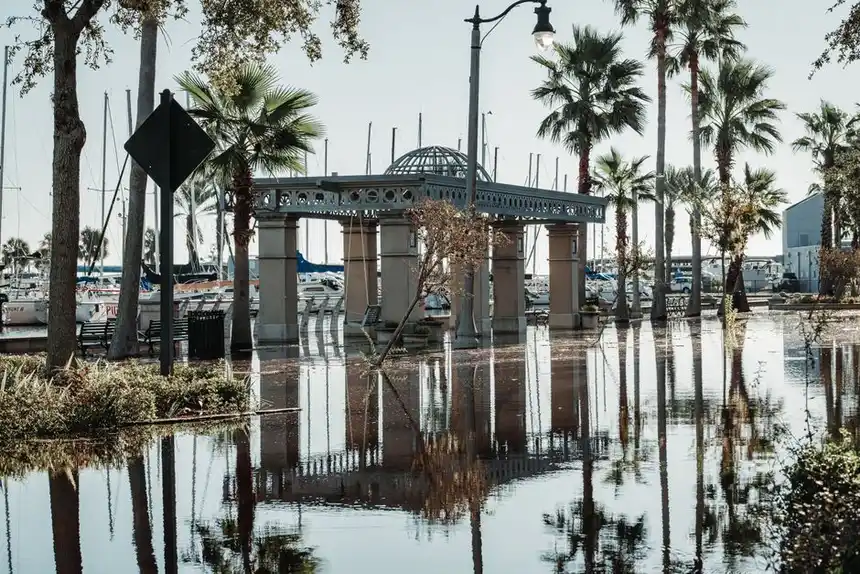
Storm Water Removal in Alabama is the process of extracting standing storm water from a structure, then drying the framing, flooring, and subfloor to a verified moisture baseline. It is not a shop vac and a box fan. We start with a truck-mounted water extractor pulling hundreds of gallons, follow with portable water extraction units in tight closets and crawl spaces, then set industrial air movers and dehumidifiers to dry the cavity. Every job gets logged with a moisture meter and thermal imaging camera so you can see the numbers drop.
Alabama gets hammered from two directions: Gulf-fed thunderstorms in spring and summer, and the leftover rain from tropical systems that push up through the state in late summer and fall. Add our clay-heavy soil and older slab-on-grade homes, and water has nowhere to go but inside. That is why storm water cleanup Alabama homeowners call us for usually starts with a wet carpet and ends with a wet crawl space nobody knew about. If you are searching for storm water removal in Alabama near me at 11 p.m. during a downpour, we are already rolling.
Every storm water job starts with a full inspection and ends with verified dry readings. Here is what is standard on our scope, and what we will flag as an add-on before we start.
Thermal imaging camera, moisture meter, and hygrometer readings across every affected room and adjacent space. We map the wet zone so nothing gets missed behind baseboards or under cabinets.
High-capacity extraction pulls the bulk of standing water in a fraction of the time a portable unit would take. We follow with portable water extraction units in tight spaces and a submersible sump pump for deep water.
Industrial air movers and dehumidifiers sized to the cubic footage of the affected area. We monitor daily with a moisture meter and adjust placement so drying stays on schedule.
Affected framing, subfloor, and wall cavities get treated with an EPA-registered antimicrobial to stop mold growth after water damage. Standard on every storm water job we run.
Photos, moisture logs, and Xactimate line items formatted for your adjuster. We send the file directly to your carrier if you want, and we answer their questions so you do not have to play middleman.
We do not close the job until readings match a dry standard. You get a written report with before-and-after numbers, plus any repair recommendations for the next storm season.
You call, we ask three questions: where is the water, how deep, and is the power safe. Within minutes we dispatch the closest crew. Most Alabama addresses see a technician on site in 60 to 90 minutes, and we stay on the line with you while you shut off breakers and move furniture.
We walk the structure with a moisture meter, thermal imaging camera, and hygrometer to find every wet pocket, not just the visible puddle. A borescope inspection camera goes into wall cavities and under cabinets. You get a written scope before we start pulling water.
The truck-mounted water extractor handles the bulk, and portable water extraction units get into closets, under stairs, and into crawl spaces. A submersible sump pump moves standing water faster than any vacuum when the depth is over two inches. Expect 30 to 90 minutes of extraction on a typical room.
We set industrial air movers and Dri-Eaz or Phoenix Restoration Equipment dehumidifiers based on the cubic footage of the affected area. Drying usually runs two to four days. We check readings daily and adjust equipment placement so you are not paying for idle machines.
We do not pack up until the moisture meter matches a dry standard in an unaffected part of the house. You get a final report with before-and-after readings, photos, and any repair recommendations. If a sump pump float switch failed, we tell you what to replace before the next storm.
Purpose-built equipment, used by trained technicians — so the job is done accurately the first time.
Pulls hundreds of gallons of standing water in a single pass. This is the workhorse on every storm water job and cuts extraction time by more than half compared to portable units alone.
Gets into closets, under stairs, and into crawl spaces where the truck mount cannot reach. Essential for tight Alabama floor plans and older homes with narrow access.
Moves standing water faster than any vacuum when depth is over two inches. We use a Wayne or comparable pump on basement and crawl space jobs.
Dri-Eaz and Phoenix Restoration Equipment units sized to the cubic footage of the affected area. These are what actually dry the structure after the water is out.
Finds wet pockets behind walls and under floors that you cannot see. We log readings daily so you can watch the numbers drop.
Goes into wall cavities and under cabinets to confirm whether framing is wet. Prevents unnecessary demolition and catches hidden moisture before it becomes mold.
Used for small residual water and finish work after the main extraction is done. We keep RIDGID and Shop-Vac units on every truck for detail cleanup.
Four inches of standing water in a finished basement after a tropical system stalled over the county. Carpet was saturated, drywall was wicking water up six inches, and the sump pump had failed.
Truck-mounted extraction pulled 220 gallons in the first pass. Carpet and pad were removed, framing was dried to a 12 percent moisture content, and the basement was ready for rebuild in four days.
Standing water under a 1,400-square-foot crawl space home after a week of storms. Vapor barrier was torn, insulation was sagging, and the homeowner noticed a musty smell in the living room.
We pumped and extracted 180 gallons, removed failed insulation, and ran dehumidifiers for three days. Moisture readings dropped from 28 percent to 11 percent in the joists.
Storm water pushed through a failed window seal and spread across 600 square feet of hardwood flooring. Homeowner noticed cupping within 24 hours.
Specialty extraction mats pulled water from under the hardwood, and controlled drying saved about 80 percent of the flooring. Moisture meter readings returned to normal in five days.
Storm water finds the weak spot in every house. Here are the calls we run most often, and what happens if you wait.
Ask a pro →We extract with a truck-mounted unit, dry the block and framing, and check the sump basin and float switch so the next storm does not repeat the problem. Most basement jobs dry in three to four days.
We pump and extract, run dehumidifiers under the house, and replace damaged vapor barrier. We also check for the source, whether it is a grading issue or a failed sump pump.
We extract fast, dry the space, and advise on a replacement pump, check valve, and battery backup. We can also recommend a licensed plumbing contractor if the discharge line needs work.
We use a thermal imaging camera and borescope inspection camera to trace the path, extract, and dry the affected cavity. We document everything for your insurance claim.
“A storm pushed water into our crawl space overnight and I had no idea until I smelled it. AL Water Remover Pros had a crew out by 7 a.m., pulled the water, and ran dehumidifiers for three days. They showed me the moisture meter readings before and after. Crawl space is dry and the smell is gone.”
Marcus T.Homeowner, Gadsden
✓ Verified“Our sump pump died during a heavy rain and the basement had four inches of water. They answered at 11 p.m., walked me through shutting off the breaker, and were here in about an hour. Extracted everything, set air movers, and helped me file the claim. Fair price and no surprises.”
Brenda K.Homeowner, Dora
✓ Verified“I manage several rentals and storm water is a constant headache. AL Water Remover Pros has handled three of my properties now. They document everything for insurance, they show up when they say they will, and they do not try to sell you equipment you do not need. That is rare.”
Dale R.Property Manager, Holly Pond
✓ VerifiedMost residential storm water removal jobs in Alabama run $450 to $3,800 in 2026, with the average single-room extraction and dry-out landing around $1,200 to $1,800. Crawl space jobs and Category 3 (contaminated) water push higher. Square footage, water depth, and how long the water sat before you called are the three biggest cost drivers. We give you a written scope before we start.
AL Water Remover Pros runs storm water extraction crews across Alabama, from Birmingham and Gadsden to smaller towns like Dora, Empire, and Leighton. Call (833) 640-1438 and we dispatch the closest available team. We answer 24/7, including holidays, and we can usually be on site within 60 to 90 minutes for most Alabama addresses.
Test your sump pump float switch before spring, clear gutters and downspouts, and check that your crawl space vapor barrier is intact. If you have a basement, make sure the sump pump check valve is not stuck. Keep a wet/dry shop vacuum handy for small intrusions, but call us if water is over an inch deep or has been sitting more than a few hours.
It depends on how the water entered. Sudden storm water intrusion from a wind-damaged roof or a failed window is usually covered. Rising groundwater and flood-zone flooding typically require a separate NFIP or private flood policy. We document every job with photos and Xactimate line items so your adjuster has what they need, and we can walk you through the claim language.
Our crews cover the whole state, from the Birmingham metro up through the Tennessee Valley and over to the eastern hills. Whether you are in a larger city or a small town, you get the same equipment, the same certified technicians, and the same 24/7 dispatch. Here are some of the communities we serve regularly for storm water extraction Alabama homeowners can count on.
 Flood Water RemovalWhen a creek jumps its bank or a tropical system stalls over your county, flood water removal handles the deeper, dirtier water that storm drains cannot take. We pump, extract, and disinfect before drying.Explore →
 Basement Water RemovalAlabama basements take on water fast when the soil saturates. We pull standing water, dry the block walls, and check the sump basin and float switch so the next storm does not repeat the problem.Explore →
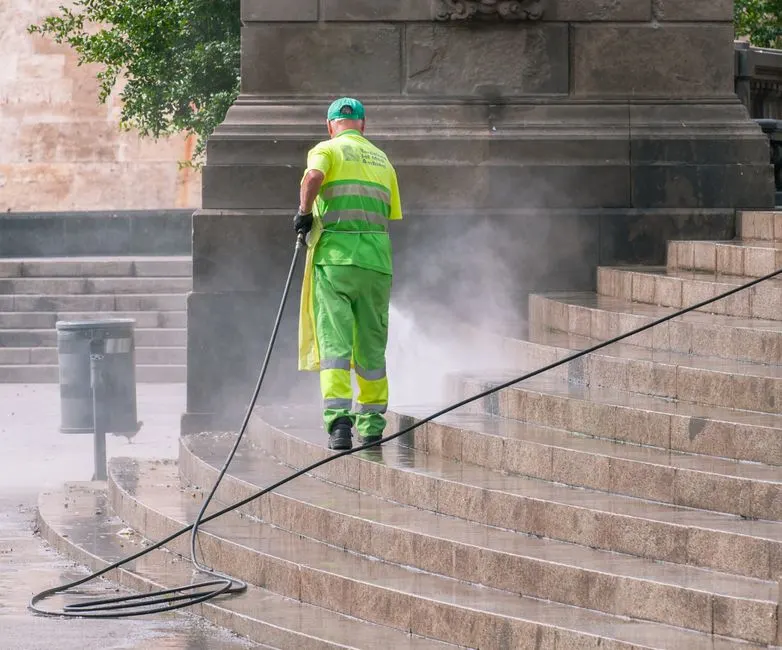 Crawl Space Water RemovalCrawl space standing water rots joists and feeds mold. We extract, run dehumidifiers under the house, and replace damaged vapor barrier so your floors stop feeling spongy.Explore →
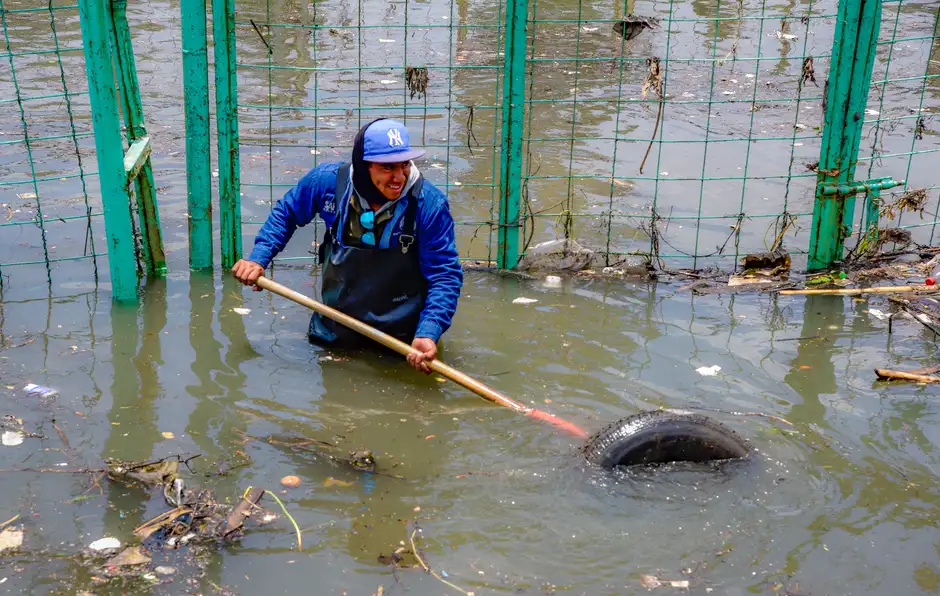 Standing Water RemovalAny water sitting more than 24 hours becomes a health issue. We pump, extract, and treat with antimicrobial, then verify moisture readings before we call the job done.Explore →
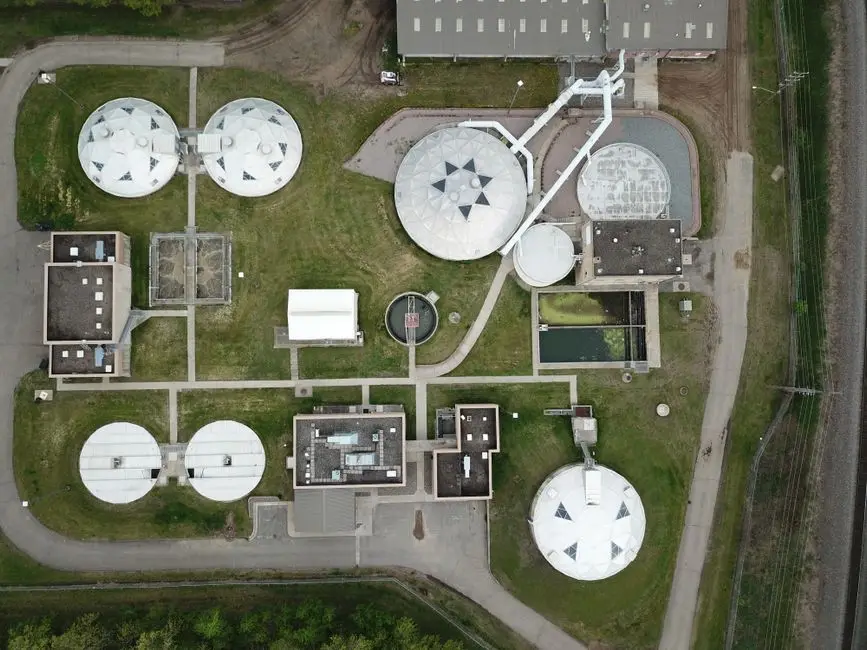 Sewage Water RemovalStorm water mixed with sewage is Category 3 and needs full containment. We remove contaminated materials, disinfect, and dry to the S500 standard so your home is safe to reoccupy.Explore →
 Sump Pump Failure Water RemovalA dead sump pump during a storm dumps water into your basement in minutes. We extract, dry, and can advise on a replacement pump, check valve, and battery backup.Explore →
 Burst Pipe Water RemovalA frozen PEX or copper supply line can dump 200 gallons before you notice. We shut it down, extract, and dry the framing so you are not replacing subfloor next month.Explore →
 Hardwood Floor Water RemovalFlooded hardwood floors cup and buckle within days. We use specialty extraction mats and controlled drying to save as much flooring as possible before replacement is on the table.Explore →
Water sitting in your home gets worse every hour. Call AL Water Remover Pros at (833) 640-1438 and we will dispatch the closest crew. Licensed, insured, and answering 24/7 since 2011.
Call Now (833) 640-1438 →Call us any time, day or night. We answer 24/7 and dispatch the closest crew to your Alabama address. Most calls get a tech on site within 60 minutes. If you prefer email, send us the details and we will respond within the hour during normal business hours.