Frozen pipe splits during a January freeze
We extract standing water, remove saturated insulation, and dry the framing with air movers and dehumidifiers. We also flag uninsulated runs so you can add pipe insulation before the next freeze.
Burst Pipe Water Removal in Alabama means stopping the water, extracting what has already spread, and drying the structure before mold takes hold. Our crews roll out 24/7 across the state with truck-mounted extractors, thermal imaging cameras, and commercial dehumidifiers. Whether a supply line let go under a Sterrett farmhouse or a copper pipe split in a Jasper rental, we handle the extraction, the drying log, and the insurance documentation from the first call to the final moisture reading.

Burst Pipe Water Removal in Alabama is the process of shutting off the failed line, extracting standing water from floors and cavities, and drying the structure to the ANSI/IICRC S500 standard so mold never gets a foothold. A 1/2-inch PEX or copper line can dump 4 to 8 gallons per minute, which means a pipe that lets go at 2 a.m. can put hundreds of gallons into a crawl space or basement before anyone wakes up. We use moisture meters, hygrometers, and thermal imaging cameras to map exactly how far the water traveled, because water always finds the low spot and the wall cavity you cannot see.
Alabama homes deal with this more than most people realize. Freeze events in January crack copper and PVC pipe in uninsulated crawl spaces, and summer supply-line failures behind washing machines and water heaters do the rest. If you are searching for burst pipe water removal in Alabama near me at 3 a.m., the first move is the shutoff valve, the second is calling a crew that can be on-site fast. We handle emergency burst pipe water removal Alabama homeowners need, then document every affected material for your claim.
Every job includes the core extraction and drying work plus the documentation your insurance claim needs. We quote the full scope upfront so there are no surprise line items. If additional work is needed, like hardwood floor drying mats or crawl space vapor barrier replacement, we flag it before we start.
Truck-mounted extractors, portable units, and submersible sump pumps pull standing water from carpet, pad, hardwood, tile, and crawl spaces. We extract until the surface is dry to the touch, then verify with moisture meters before moving to drying.
Industrial air movers and dehumidifiers are sized to the cubic footage of the affected area and positioned based on moisture mapping. We monitor with hygrometers and moisture meters every 24 hours and adjust equipment as readings change.
Thermal imaging cameras, moisture meters, and hygrometers map exactly how far water traveled. We photograph affected materials, log readings room by room, and build an Xactimate-ready scope your adjuster can work from.
Affected framing and subfloor get an antimicrobial application to slow microbial growth while drying is underway. Our IICRC AMRT-trained techs handle the treatment and document it for your file.
When readings match dry standard, we pull equipment and walk the job with you. You get a written drying log, before-and-after photos, and a clear list of any materials that need replacement by your contractor or plumber.
You call (833) 640-1438 and talk to a live dispatcher, not a voicemail. We confirm the address, ask where the water is coming from, and walk you through shutting off the main if you have not already. A crew is dispatched while you are still on the phone, typically within 60 to 90 minutes for most Alabama routes.
On arrival we shut off the supply if needed, then walk the structure with a moisture meter, hygrometer, and thermal imaging camera. We map the wet zone on a floor plan, check the crawl space or basement, and use a borescope inspection camera inside wall cavities where we suspect hidden water. This takes 30 to 45 minutes on a typical home.
Truck-mounted extractors pull standing water from carpet, pad, and hardwood, while portable units and a submersible sump pump handle standing water in basements and crawl spaces. A wet/dry shop vacuum gets the last of it out of corners and cabinet bases. Most residential extractions run two to four hours depending on volume.
We set industrial air movers and dehumidifiers sized to the cubic footage of the affected area, then monitor with moisture meters and hygrometers every 24 hours. Drying typically takes three to five days. We adjust equipment placement as readings change and document each visit for your file.
When readings match dry standard, we pull the equipment and walk the job with you. You get a written drying log, photos of the before and after, and an Xactimate-ready scope for your insurance claim. If any material needs replacement, we flag it clearly so your contractor or plumber can pick up from there.
Purpose-built equipment, used by trained technicians — so the job is done accurately the first time.
Pulls hundreds of gallons of standing water from carpet, pad, and hard surfaces far faster than portable units. Standard on every burst pipe call.
Reaches tight closets, under cabinets, and upper floors where a truck mount cannot go. Used alongside the truck mount on most residential jobs.
Clears standing water from basements and crawl spaces before extraction begins. Essential when a burst pipe has flooded a below-grade space.
Maps hidden moisture behind walls, under floors, and in ceiling cavities without tearing anything open. Guides where we place drying equipment.
Measures moisture content in materials and relative humidity in the air. We log readings every 24 hours to track drying progress and confirm dry standard.
Dri-Eaz and Phoenix Restoration Equipment units sized to the affected cubic footage. Air movers evaporate moisture; dehumidifiers pull it out of the air.
Looks inside wall cavities and under cabinets where water may have traveled but is not visible. Confirms the wet zone before we close up.
A January freeze split a copper line in an uninsulated crawl space. Water ran for hours before the homeowner noticed, soaking the subfloor and insulation across 400 square feet. Moisture readings in the joists were above 25 percent.
We extracted standing water with a submersible sump pump, removed saturated insulation, and ran air movers and dehumidifiers for four days. Final moisture readings in the joists were back to 12 percent, matching dry standard.
A flexible supply line burst while the homeowner was at work, dumping water into the laundry room, hallway, and two bedrooms. Carpet and pad were saturated across 600 square feet, and water had wicked into the baseboards.
We extracted water with a truck-mounted extractor, pulled the wet pad, and set drying equipment for five days. Baseboard moisture readings dropped from 22 percent to 11 percent, and the carpet was saved.
A slab leak soaked 300 square feet of hardwood flooring. The homeowner noticed cupping boards and a spike in the water bill. Moisture meters showed the subfloor was wet but no standing water was visible.
We mapped the wet zone with thermal imaging, extracted surface water, and set drying mats and dehumidifiers for six days. Hardwood moisture content dropped from 18 percent to 8 percent, and the boards laid flat again.
Most burst pipe calls fall into a handful of scenarios. Here is what we see most often and how we handle each one.
Ask a pro →We extract standing water, remove saturated insulation, and dry the framing with air movers and dehumidifiers. We also flag uninsulated runs so you can add pipe insulation before the next freeze.
We shut off the line, extract water from the floor and wall cavity, and dry the structure. We document the failed line and the affected materials for your insurance claim.
We use thermal imaging to map the wet zone, extract surface water, and set drying mats and dehumidifiers to pull moisture out of the boards and subfloor before replacement becomes the only option.
We pump out standing water with a submersible sump pump, remove saturated insulation, and dry the joists and subfloor. We also check the vapor barrier and sump basin for damage.
“A copper line split in our crawl space during a January freeze and we had water everywhere by morning. AL Water Remover Pros had a crew out by 7 a.m., pulled the standing water with a truck-mounted extractor, and set dehumidifiers for four days. The drying log they gave us made our insurance claim painless. Highly recommend.”
Marcus T.Homeowner, Jasper
✓ Verified“Our washing machine supply line burst while we were at work and soaked the hallway and two bedrooms. The techs mapped the wet area with a thermal camera, extracted everything, and had air movers running the same afternoon. Five days later the moisture readings were back to dry standard. Fair price, no surprises.”
Danielle R.Homeowner, Cullman
✓ Verified“We manage several rentals and have used AL Water Remover Pros on three burst pipe calls now. They answer at 2 a.m., they show up when they say they will, and their Xactimate scopes get approved without back-and-forth. That reliability is worth a lot when you are dealing with tenants and adjusters at the same time.”
Kevin B.Property Manager, Sterrett
✓ VerifiedMost residential jobs run $1,200 to $4,500 in 2026, depending on square footage, water category, and how many days of drying are needed. A small bathroom supply-line break might land near the low end, while a slab leak that soaked 800 square feet of hardwood and drywall pushes toward the top. We quote extraction and drying as a package so you know the number before we start.
AL Water Remover Pros handles burst pipe water extraction across the state, with crews dispatched from multiple Alabama hubs. Call (833) 640-1438 and we confirm coverage for your address, give you an ETA, and walk you through shutting off the main while a truck is en route. Most metro calls see a technician within 60 to 90 minutes.
Shut off the main water valve, then kill power to any flooded rooms at the breaker, and call (833) 640-1438. Do not run a shop vac near standing water if outlets are submerged. Move furniture and rugs off wet carpet if it is safe, and take a few phone photos before we arrive. Those photos help your insurance claim and speed up our documentation.
Most Alabama homeowners policies cover sudden and accidental burst pipe water damage, including extraction and drying, though coverage varies by carrier and policy. We build an Xactimate-ready scope with photos and moisture logs your adjuster can work from. We do not adjust claims, but we make sure the documentation is clean so the process moves faster.
AL Water Remover Pros delivers burst pipe water extraction Alabama homeowners can count on, from the Birmingham metro out to rural routes in Winston, Cullman, and Russell counties. Our crews run 24/7, so a frozen line in Jasper or a supply-line failure in Cullman gets the same fast response as a metro call. Here are a few of the communities we serve.
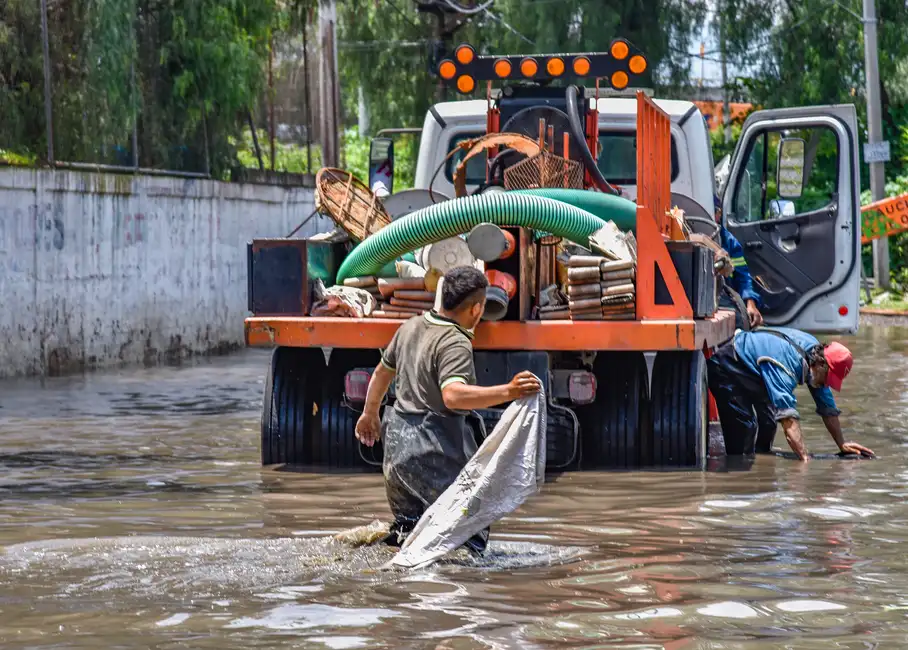 Flood Water RemovalWhen a burst pipe dumps enough water to flood a room, our flood water removal crews bring the same truck-mounted extractors and drying equipment to pull it out fast. We handle the extraction, the drying log, and the insurance scope in one visit.Explore →
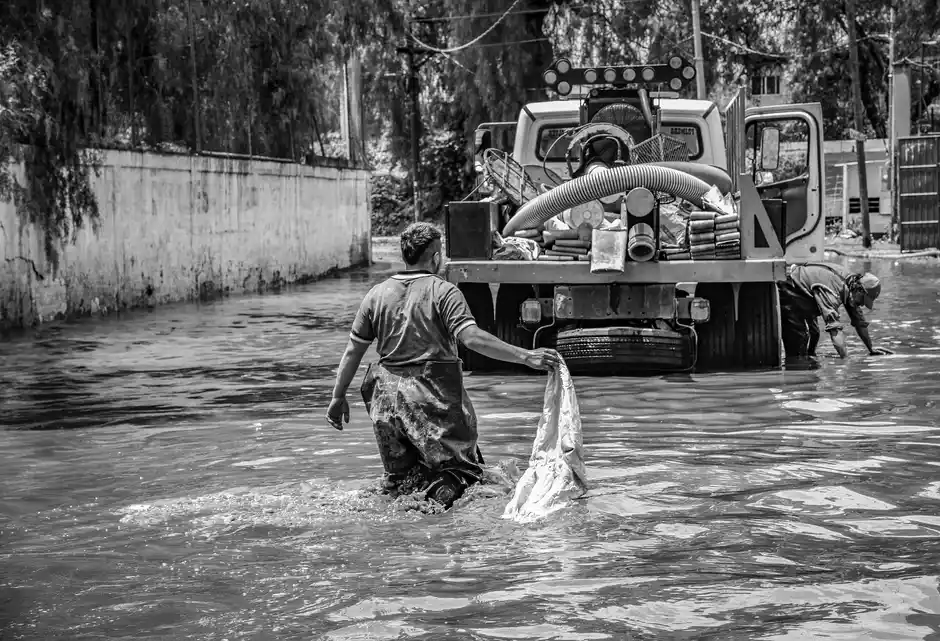 Basement Water RemovalBurst pipes in basements and below-grade rooms pool water against foundation walls. Our basement water removal service uses submersible sump pumps and portable extractors to clear standing water, then dries the block and framing before mold can start.Explore →
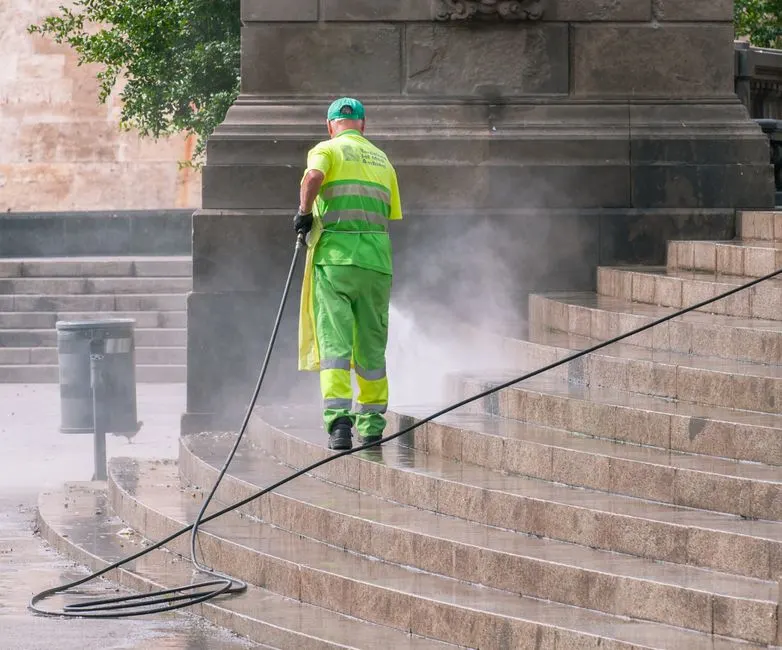 Crawl Space Water RemovalA burst pipe in an uninsulated Alabama crawl space soaks joists and insulation fast. We extract standing water, remove saturated insulation, and dry the subfloor structure with air movers and dehumidifiers sized for tight, low-clearance spaces.Explore →
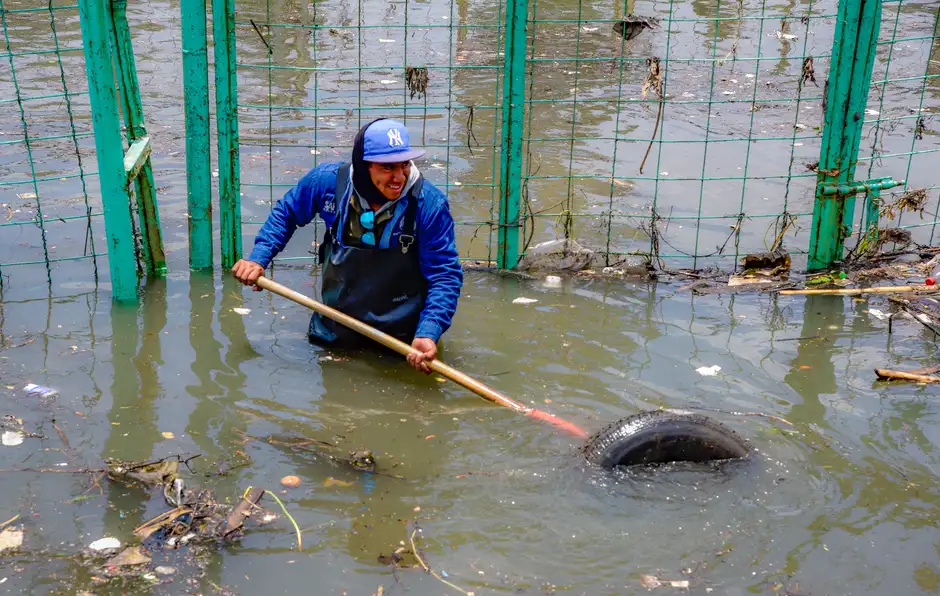 Standing Water RemovalWhen a burst pipe leaves standing water across a floor, every hour counts. Our standing water removal service pulls it out with truck-mounted and portable units, then verifies with moisture meters that the subfloor and framing are actually dry.Explore →
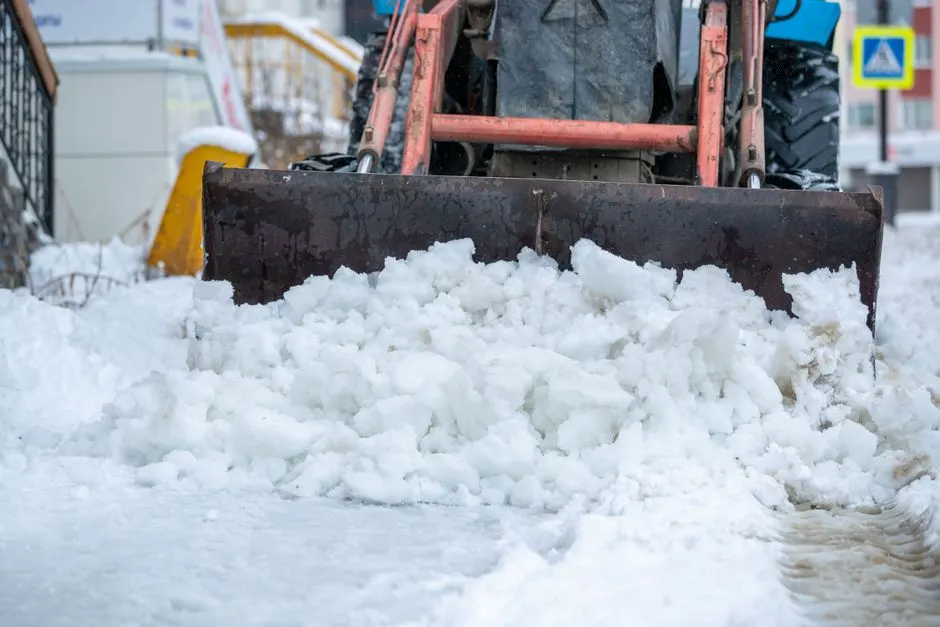 Storm Water RemovalFreeze events and storms crack pipes and push water into homes at the same time. Our storm water removal crews handle both the intrusion and the burst-pipe aftermath, extracting water and drying the structure to the ANSI/IICRC S500 standard.Explore →
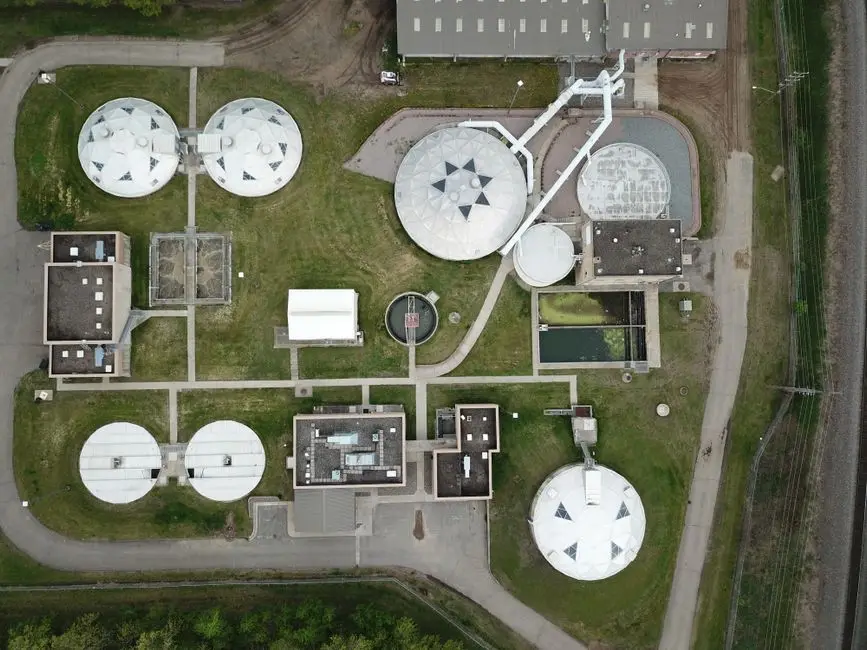 Sewage Water RemovalIf a burst pipe is near a drain line, contamination becomes a concern. Our sewage water removal service follows the same extraction and drying process with added antimicrobial treatment and disposal protocols for category 3 water.Explore →
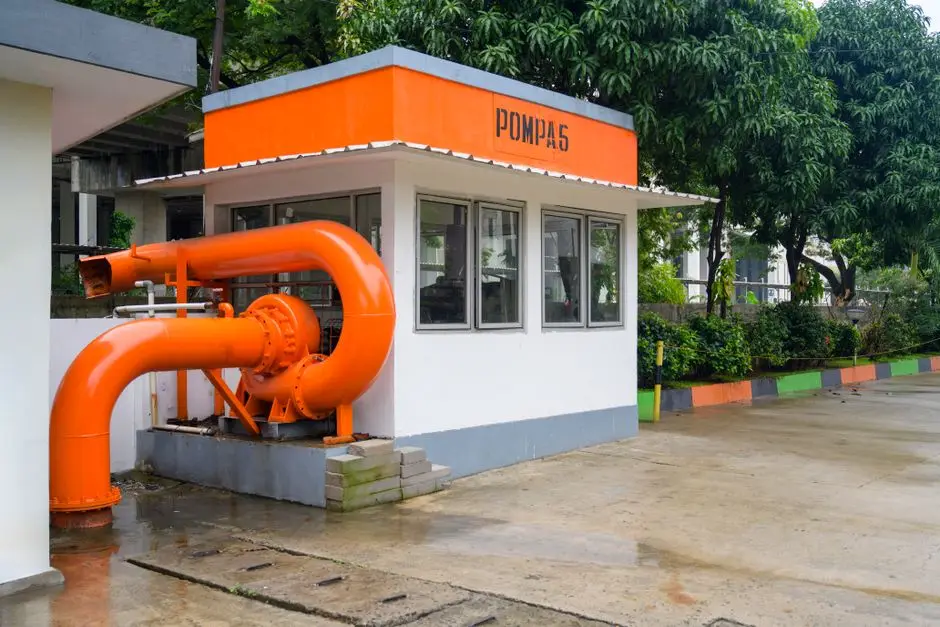 Sump Pump Failure Water RemovalA failed sump pump check valve or float switch can flood a basement right after a burst pipe has already soaked the structure. We handle both problems in one visit, extracting water and drying the space before mold sets in.Explore →
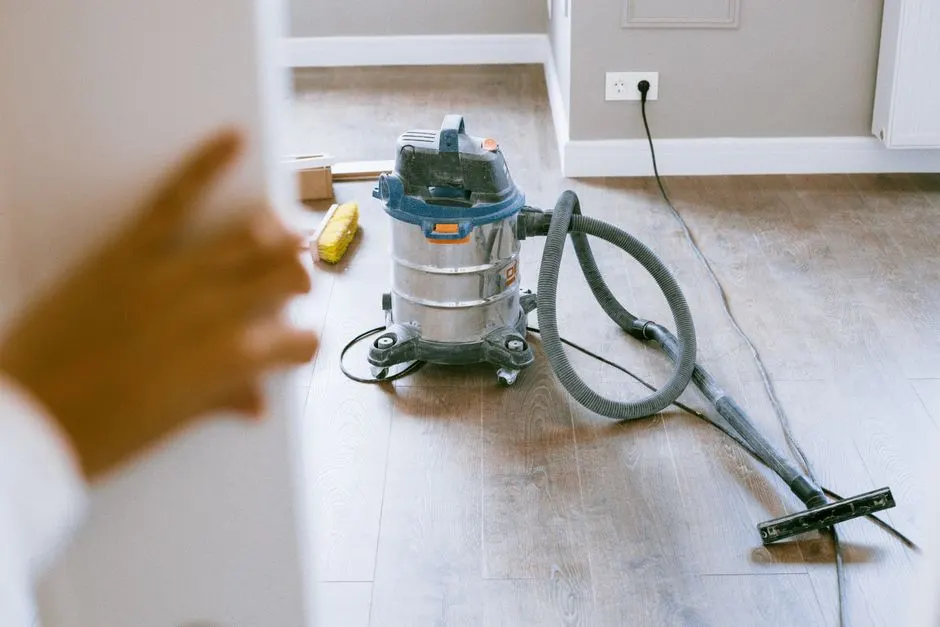 Hardwood Floor Water RemovalFlooded hardwood floors cup and buckle within days of a burst pipe. Our hardwood floor water removal service uses specialized drying mats and controlled humidity to pull moisture out of the boards and subfloor before replacement becomes the only option.Explore →
A burst pipe gets worse every minute. Call (833) 640-1438 and a live dispatcher will confirm your address, walk you through shutting off the main, and get a certified crew moving toward your door. We are licensed, insured, and answering 24/7 across Alabama.
Call Now (833) 640-1438 →Call us any time, day or night. We answer 24/7 and dispatch the closest crew to your Alabama address. Most calls get a tech on site within 60 minutes. If you prefer email, send us the details and we will respond within the hour during normal business hours.