Basement flooding after heavy rain
We pump and extract the standing water, dry the block walls and slab with air movers and dehumidifiers, and check the sump basin and drainage so the next storm does not put you back under water.
Flood Water Removal in Alabama means getting the water out, the structure dry, and the mold risk closed out before it spreads. We run truck-mounted extractors and industrial air movers into flooded basements, crawl spaces, and storm-soaked homes across the state, day or night. If your floor is under water right now, call (833) 640-1438 and we roll.
Flood Water Removal in Alabama is the process of extracting standing water from a structure, then drying the framing, subfloor, and cavities to the ANSI/IICRC S500 standard so the building does not rot or grow mold. It is not a shop vac job. We map the water with a thermal imaging camera, meter the moisture in walls and floors with a hygrometer, and pull the bulk of it with a truck-mounted water extractor before the drying equipment ever comes off the truck.
Alabama floods come from three directions: Gulf-fed storm systems, flash flooding on red clay that will not absorb fast rain, and plumbing failures inside the house. A burst pipe behind a vanity at 2 a.m. or a sump pump failure during a spring downpour both leave the same mess. That is why homeowners search for emergency flood water removal Alabama wide, and why we keep crews on call around the clock instead of waiting for business hours.
Every flood water removal job includes the full extraction and drying scope, not just the water pull. Here is what is covered on a standard call, and what we handle separately if your job needs it. You get a written scope before we start so there are no surprises on the invoice.
Our phone line is staffed around the clock, including holidays. You get a live person, not a voicemail, and a call-ahead when the crew is 30 minutes out. Most Alabama addresses see a crew within 60 to 90 minutes of the call.
We map every affected room with a thermal imaging camera and moisture meter, and log the readings. You get photos, a moisture log, and an Xactimate-formatted scope your insurance adjuster can work from directly.
Truck-mounted extraction for bulk water, submersible pumps for deep standing water, and portable units and wet/dry vacuums for edges and tight spaces. We pull carpet and pad if they are saturated past saving.
Industrial air movers and dehumidifiers placed to IICRC S500 drying goals, with daily monitoring until every reading matches a dry standard. Equipment stays as long as it needs to, and we do not charge extra for the extra day.
Any area wet longer than 48 hours gets treated as a microbial concern, with antimicrobial application and HEPA filtration where needed. Sewage-contaminated water gets full Category 3 protocols from our AMRT-certified techs.
We do not pull equipment until the meters say dry. You get a final walkthrough, a completed moisture log, and photos of the finished job, which is what you hand your insurance company if they ask for proof of proper drying.
You call (833) 640-1438 and describe what is wet. We ask about the water source, whether it is clean or sewage, and how long it has been standing. That tells us what equipment to load and whether you need to shut off the breaker to a flooded area before we arrive.
On arrival, we walk the structure with a thermal imaging camera and moisture meter to find water you cannot see, including inside wall cavities and under cabinets. A borescope inspection camera checks behind baseboards. This takes 20 to 40 minutes and sets the drying plan.
We pull standing water with a truck-mounted water extractor, drop submersible sump pumps into anything deeper than two inches, and finish edges with portable units and wet/dry vacuums. Carpet and pad come up if they are saturated past saving. Most extractions run two to five hours.
Industrial air movers and dehumidifiers go in to dry framing, subfloor, and drywall. We set drying goals per the IICRC S500 standard and check readings daily. A typical Alabama home dries in three to five days, longer for crawl spaces and slab-on-grade construction.
We do not pull equipment until every meter reading matches a dry standard for the material. You get a final walkthrough, a moisture log, and photos of the finished job. If any area is still reading high, the equipment stays and you do not pay extra for the extra day.
Purpose-built equipment, used by trained technicians — so the job is done accurately the first time.
Pulls bulk standing water out of carpet, pad, and hard flooring at a rate a portable unit cannot match. This is what gets the water out in hours instead of days.
Drops into standing water deeper than two inches to pump it out fast. Wayne and similar pumps handle the bulk volume before the extractor finishes the edges.
High-velocity air movers that evaporate moisture off framing, subfloor, and drywall so the dehumidifiers can pull it out of the air. Box fans do not move enough air to dry a flooded room.
Pulls water vapor out of the air so the drying process actually finishes. A single Dri-Eaz unit can pull 130 pints a day, which is what dries a room instead of just moving humid air around.
Finds water you cannot see, including inside wall cavities and under cabinets. Every affected room gets mapped with these before we set a drying plan.
Checks inside wall cavities and ceiling spaces to confirm nothing wet is left hidden. This is how we verify a job is actually dry, not just dry on the surface.
Reads relative humidity in the drying chamber so we can track the drying curve daily against IICRC S500 goals. You see the numbers drop, and you know when the equipment can come out.
A flexible supply line failed under a kitchen sink while the homeowners were at work. Water ran for about four hours and soaked the kitchen floor, hallway, and two bedrooms, with water wicking up the drywall about eight inches.
We extracted the standing water in about three hours, pulled the wet carpet and pad in the hallway and bedrooms, and set drying equipment for four days. Final moisture readings matched a dry standard on every wall, and the drywall was saved without a tear-out.
A sump pump float switch stuck during a spring storm and the basement took on about eight inches of water. The finished basement had carpet, drywall, and furniture sitting in standing water for about 12 hours before the homeowner got home.
We pumped and extracted the water in about four hours, pulled the saturated carpet and pad, and dried the block walls and slab over five days. The drywall was cut at the flood line and replaced, and the basement was back in use within two weeks.
A stalled storm system dumped four inches of rain in a few hours, and the crawl space under a rural Cullman County home took on about six inches of standing water. The homeowner noticed the floors felt spongy about a week later.
We extracted the standing water, dried the joists and subfloor over five days with air movers and dehumidifiers, and replaced a torn vapor barrier. Final moisture readings on the joists matched a dry standard, and the floor above stayed solid.
Water damage is not one problem, it is five or six problems stacked on top of each other. Here are the ones we see most often in Alabama homes, and what happens if you wait instead of calling.
Ask a pro →We pump and extract the standing water, dry the block walls and slab with air movers and dehumidifiers, and check the sump basin and drainage so the next storm does not put you back under water.
We extract the standing water, dry the joists and subfloor, and check the vapor barrier. If the barrier is torn or missing, we tell you what it needs so the crawl space stays dry.
We shut off the water, extract, and dry inside the wall cavity, using a borescope inspection camera to confirm nothing wet is left hidden behind the drywall.
Our AMRT-certified techs handle sewage water removal with full containment, PPE, and antimicrobial treatment, then verify the area is clean before we dry or rebuild.
“A supply line let go under the kitchen sink while we were at work, and by the time we got home the hallway and two bedrooms were soaked. The crew was at the house in about an hour, pulled the water with their truck unit, and had drying equipment running the same night. Four days later everything metered dry and the insurance adjuster said the documentation was the cleanest he had seen.”
Marcus T.Homeowner, Redstone Arsenal
✓ Verified“Our sump pump quit during a storm and the basement took on about eight inches of water. They pumped it out, pulled the wet carpet, and dried the block walls and slab. What I appreciated was that they told me the float switch was the problem and what to replace it with, instead of just handing me a bill and leaving.”
Dana R.Homeowner, Hayden
✓ Verified“A pipe burst in the crawl space over a cold snap and we did not know it until the floors started feeling spongy. They went under the house with lights and meters, extracted the standing water, and dried the joists out over five days. I honestly thought we were looking at a full floor replacement. We were not.”
Kevin B.Homeowner, Blountsville
✓ VerifiedMost residential flood water removal in Alabama runs $1,200 to $3,500 for extraction and drying, with larger crawl space or whole-floor jobs reaching $6,000 or more. The biggest cost drivers are how much water there is, what kind of water it is (clean vs. sewage), and how many days of drying equipment you need. We give you a written scope before we start, and we bill insurance directly when your policy covers the loss.
We do, and we cover the whole state from Birmingham outward. AL Water Remover Pros has been running flood water extraction crews since 2011, and we dispatch 24/7 to addresses across central and north Alabama. Call (833) 640-1438 with your address and we will tell you exactly when a crew can be there, usually within 60 to 90 minutes.
Standing water is usually gone within two to five hours of our arrival, and most homes are down to damp framing in under eight hours. Full structural drying takes three to five days on a typical slab or crawl space home. The sooner you call, the less water has time to wick into drywall and subfloor, which is where the real cost lives.
Sudden and accidental water damage, like a burst pipe or a failed water heater, is covered under most Alabama homeowners policies. Ground flooding from a storm is usually not covered unless you carry a separate NFIP flood policy. We document every job to the ANSI/IICRC S500 standard with photos and moisture logs so your adjuster has what they need, and we can bill your carrier directly.
AL Water Remover Pros delivers flood water extraction Alabama homeowners can count on, from the Tennessee Valley down through central Alabama. Our crews are positioned to cover the whole state, and our dispatch line is open 24/7. Here are a few of the communities we serve, and how we handle flood water removal in each one.
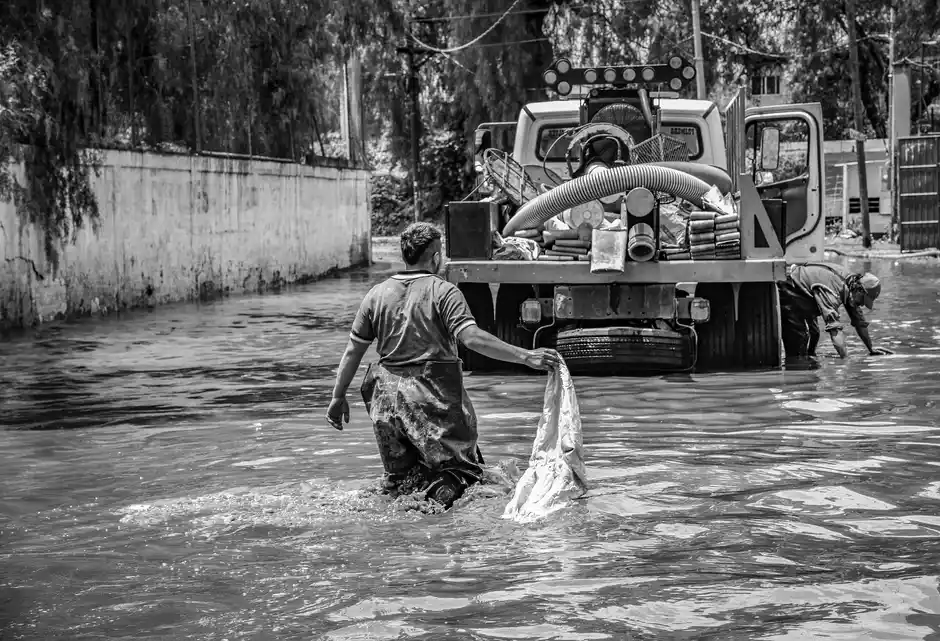 Basement Water RemovalBasements flood fast in Alabama clay soil, and water against a foundation wall has nowhere to go. We pump, extract, and dry basement slabs and block walls, then check the sump basin and drainage so the next storm does not put you back under water.Explore →
 Crawl Space Water RemovalA flooded crawl space is the worst kind of water damage because nobody sees it. We extract standing water, dry the joists and subfloor, and check the vapor barrier, because a wet crawl space turns into rotted floor framing and mold inside a month.Explore →
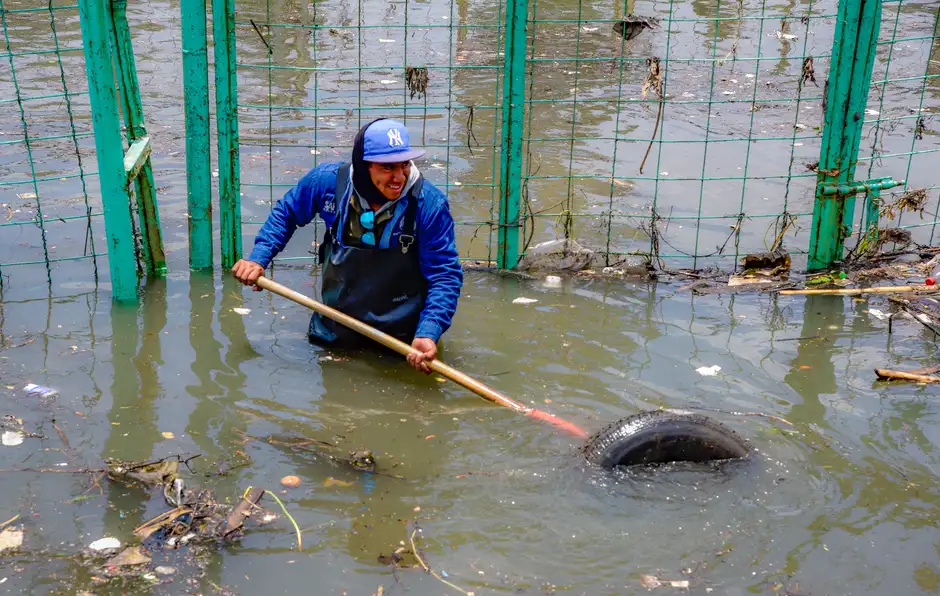 Standing Water RemovalWhen water has been sitting for days, it is a different job than a fresh leak. We pump and extract standing water, treat for microbial growth, and dry the structure to IICRC S500 goals so the damage does not keep spreading after the water is gone.Explore →
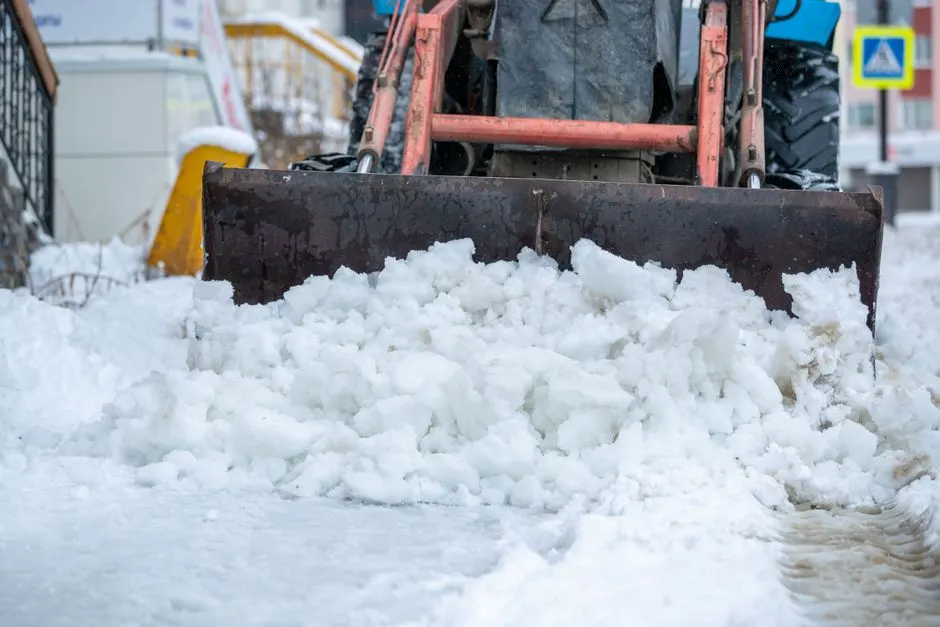 Storm Water RemovalAlabama storm systems dump inches of rain in hours, and storm water intrusion soaks siding, floors, and crawl spaces. We extract fast after the storm passes, document the damage for your insurance claim, and dry the structure before mold sets in.Explore →
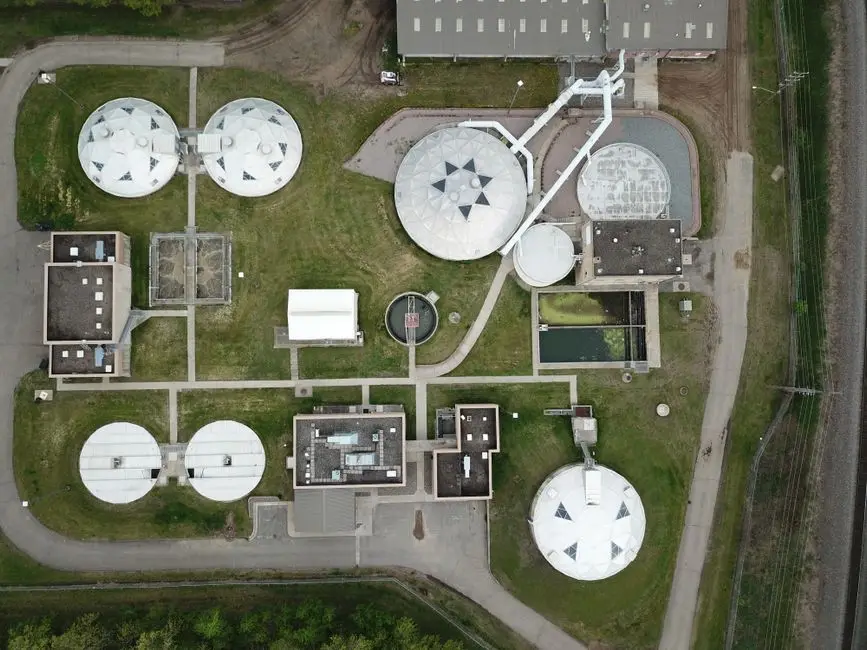 Sewage Water RemovalSewage backup is Category 3 water and needs containment, PPE, and antimicrobial treatment, not a shop vac. Our AMRT-certified techs handle sewage water removal with the right protocols, then verify the area is clean before we rebuild or dry.Explore →
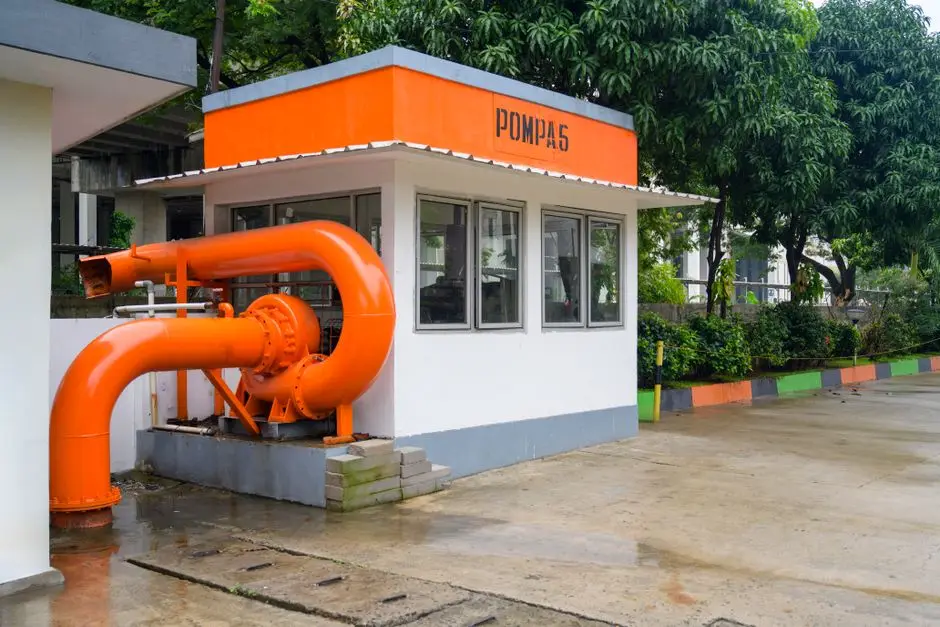 Sump Pump Failure Water RemovalA dead sump pump float switch or a clogged check valve can put a foot of water in your basement overnight. We extract the water, dry the space, and can coordinate the pump repair so the same failure does not flood you again next storm.Explore →
 Burst Pipe Water RemovalA burst PEX or copper pipe behind a wall can dump hundreds of gallons before you notice. We shut off the water, extract, and dry inside the wall cavity with a borescope inspection camera to confirm nothing wet is left hidden.Explore →
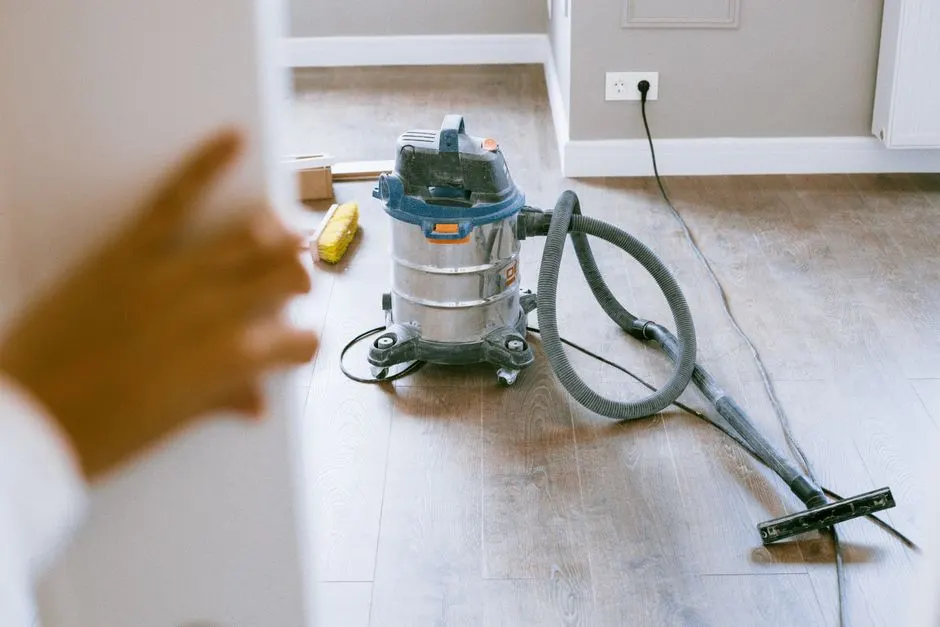 Hardwood Floor Water RemovalFlooded hardwood floors cup and crown fast, and the first 24 hours decide whether they can be saved. We extract, dry with controlled humidity, and check moisture content daily so your floors have the best chance of surviving without a full tear-out.Explore →
Every hour water sits, the repair bill goes up. Our crews are on call 24/7, we answer the phone at 2 a.m., and we give you a written scope before we start. Call (833) 640-1438 and get the water out today.
Get Emergency Help (833) 640-1438 →Call us any time, day or night. We answer 24/7 and dispatch the closest crew to your Alabama address. Most calls get a tech on site within 60 minutes. If you prefer email, send us the details and we will respond within the hour during normal business hours.