Basement flooding after a heavy storm
We pump and extract the water, dry the space with industrial air movers and dehumidifiers, and diagnose the sump pump float switch or check valve so the next storm doesn't repeat it.
Standing Water Removal in Alabama means getting the water out, finding where it came from, and drying the structure before mold takes hold. We handle flooded yards, crawl spaces, basements, and slab-level pools for homeowners, landlords, and property managers from the Tennessee line to the Gulf. When standing water extraction in Alabama can't wait, we roll trucks 24/7.

Standing Water Removal in Alabama is the process of extracting pooled water from a structure or yard, then drying the materials underneath it before secondary damage sets in. We start with a moisture meter and thermal imaging camera to map how far the water has traveled, then pull it with a truck-mounted water extractor or portable water extraction unit. A submersible sump pump handles deep basement flooding; a wet/dry shop vacuum and industrial air movers handle the last inch. We finish with dehumidifiers and a hygrometer reading to confirm the space is dry.
Alabama's clay soils, high water table, and summer thunderstorms push water into crawl spaces and basements faster than most homeowners expect. A sump pump failure during a 3 a.m. storm, a burst pipe behind a wall, or a sewage backup after heavy rain can leave two to four inches of water sitting on a slab in under an hour. That's when you need emergency standing water removal Alabama crews who know the difference between a wet yard and a wet foundation.
Every job is different, but here's what you get on a standard standing water removal call. Add-ons like crawl space encapsulation, vapor barrier installation, or full reconstruction are quoted separately once we see the space.
We map the wet zone with a moisture meter, thermal imaging camera, and borescope to find hidden water behind walls and under floors. Documentation goes to your insurance file.
Truck-mounted extractor for large volumes, submersible sump pump for basements, wet/dry shop vacuum for tight spots. We pull every gallon we can before drying starts.
Air movers and dehumidifiers placed by material type and square footage. We check readings daily with a hygrometer and adjust until the structure hits dry standard.
Category 2 and 3 water gets treated with EPA-registered antimicrobial to stop mold and bacteria. Our IICRC AMRT techs handle sewage backup and storm water intrusion.
We check the sump pump float switch, check valve, flexible supply lines, and visible pipe for the cause. If it's a slab leak or failed PEX, we flag it for a licensed plumber.
Written drying log with daily moisture readings, equipment placement, and final verification to ANSI/IICRC S500 standards. You get a copy; your adjuster gets a copy.
You call (833) 640-1438 or book online. We ask three questions: where is the water, how deep, and is it clean or sewage. That tells us which truck to send. Most Alabama addresses see a crew within 60 to 90 minutes for emergency calls.
A technician walks the space with a moisture meter, thermal imaging camera, and borescope inspection camera. We find the source, mark the wet boundary, and photograph everything for your insurance file. This takes 20 to 30 minutes on a typical home.
We pull standing water with a truck-mounted water extractor for large volumes, a submersible sump pump for basements, and a wet/dry shop vacuum for tight corners. A 2-inch pool across 400 square feet usually clears in 45 to 90 minutes.
Industrial air movers and dehumidifiers run for 2 to 4 days depending on material and humidity. We check readings daily with a hygrometer and adjust equipment placement. You get a written drying log at the end.
Final moisture readings confirm the structure is dry to ANSI/IICRC S500 standards. We recommend fixes like a vapor barrier, sump pump float switch replacement, or waterproof sealant to keep it from happening again.
Purpose-built equipment, used by trained technicians — so the job is done accurately the first time.
Pulls hundreds of gallons per hour from large pools. The workhorse for flooded basements and commercial spaces.
Drops into deep standing water to move volume fast before the extractor can reach it.
High-velocity air that evaporates moisture from drywall, subfloor, and framing during the drying phase.
Pulls moisture out of the air so wet materials can actually dry instead of reabsorbing humidity.
Finds hidden water behind walls and under floors without tearing anything open.
Reads material moisture and ambient humidity so we know when the structure is truly dry.
Slides under hardwood and into wall cavities to check for trapped water and early mold.
A failed sump pump left 3 inches of water across 600 square feet of finished basement. Carpet was soaked, drywall was wicking water 8 inches up, and the homeowner called at 6 a.m.
We extracted 180 gallons, removed the wet carpet pad, and ran 6 air movers and 2 dehumidifiers for 3 days. Final moisture readings hit dry standard and the drywall was saved.
A frozen PEX line split behind a kitchen wall during a January freeze. Water ran for 4 hours before the homeowner got home, pooling on the slab and soaking the wall cavity.
We extracted the standing water, opened the wall, dried the cavity with directed air movers, and coordinated a plumber to repair the PEX. Dry in 3 days, no mold.
A week of spring rain pushed 2 inches of water into a 900-square-foot crawl space. Joists were damp, insulation was sagging, and the floor above felt spongy.
We extracted the water, removed the wet insulation, dried with dehumidifiers for 4 days, and treated for microbial growth. Joists read dry to standard.
Standing water isn't just a wet floor. It's a structural, health, and financial problem that gets worse by the hour. Here are the issues we see most across Alabama.
Ask a pro →We pump and extract the water, dry the space with industrial air movers and dehumidifiers, and diagnose the sump pump float switch or check valve so the next storm doesn't repeat it.
Our crew extracts the water, dries the crawl space, treats for microbial growth, and recommends a vapor barrier to keep ground moisture out long-term.
We extract fast, use a borescope to check under the planks, and dry in place when the wood is salvageable. If it isn't, we document for replacement.
Our IICRC AMRT techs contain the area, extract, treat with EPA-registered antimicrobial, and dry. Full documentation supports your insurance claim.
“Sump pump died during a Thursday night storm and I woke up to 3 inches in the basement. Called at 6 a.m., crew was here by 7:30. They pumped it out, set up air movers, and had it dry by Sunday. Insurance paid most of it because their paperwork was clean.”
Marcus T.Homeowner, Brookside
✓ Verified“Had a tenant's toilet supply line let go and soak two rooms. AL Water Remover Pros extracted the water, pulled the wet carpet, and dried the subfloor. They flagged the flexible supply line as the culprit and I had my plumber swap it. No mold, no re-rent delay.”
Dana R.Landlord, Graysville
✓ Verified“Crawl space was holding water after a week of rain. They crawled in, pumped it out, and ran dehumidifiers for three days. Also recommended a vapor barrier and fixed the grading issue on the north side. Two storms later, still dry. Worth every dollar.”
Kevin B.Homeowner, Ardmore
✓ VerifiedMost residential jobs run $250 to $1,200 in 2026, with the average around $550. A single room with an inch of clean water is on the low end; a flooded basement or crawl space with sewage backup pushes higher. Square footage, water category, and how long the water sat drive the number. We quote before we start.
AL Water Remover Pros covers the entire state, from Birmingham and Redstone Arsenal to rural towns like Brilliant, Cragford, and Langston. Call (833) 640-1438 and we'll dispatch the nearest crew. Most metro addresses see us in 60 to 90 minutes; rural addresses in 2 to 3 hours.
Alabama's clay-heavy soils drain slowly, and a 2-inch rain in an hour can overwhelm grading and French drains. Common culprits are clogged gutters, a failed sump pump discharge line, or a low spot that pools against the foundation. We extract the water, then flag the drainage fix so it doesn't repeat next storm season.
Most Alabama policies cover sudden and accidental water damage, including burst pipe water damage, sump pump failure, and appliance leaks. Flood damage from rising water usually needs a separate NFIP or private flood policy. We document to Xactimate standards so your adjuster has everything needed to process the claim.
AL Water Remover Pros delivers standing water extraction Alabama-wide, with crews staged to reach both metro and rural addresses fast. Whether you're in a Birmingham suburb or a small town in DeKalb or Limestone County, we bring the same equipment, the same certifications, and the same upfront pricing.
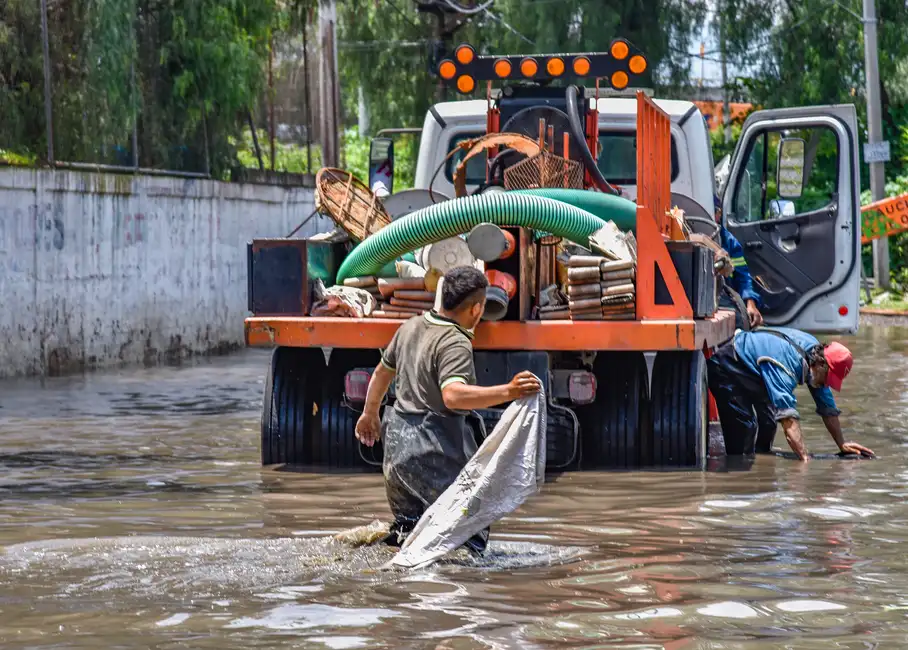 Flood Water RemovalWhen a storm dumps 3 or more inches and water pushes in from outside, flood water removal handles the volume. We pair it with standing water extraction to clear the structure and dry it before mold sets in.Explore →
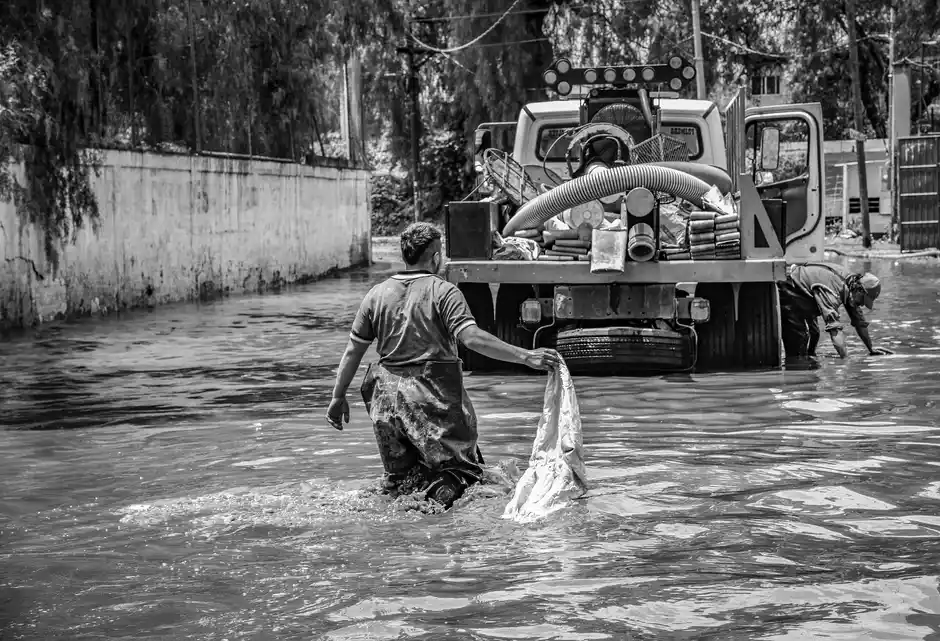 Basement Water RemovalAlabama basements flood from sump pump failure, foundation cracks, and hydrostatic pressure. We pump, extract, and dry, then check the sump basin and float switch so the next storm doesn't repeat the problem.Explore →
 Crawl Space Water RemovalCrawl space standing water rots joists and feeds mold fast in Alabama humidity. We extract, dry with air movers, and recommend a vapor barrier to keep ground moisture where it belongs.Explore →
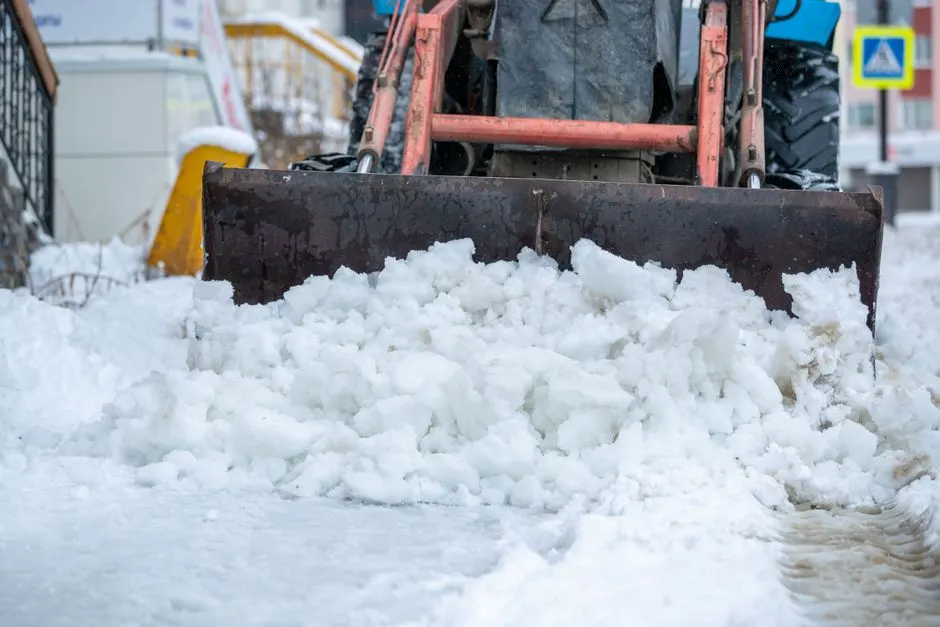 Storm Water RemovalAfter a severe thunderstorm or tropical system, storm water intrusion leaves debris, silt, and pooled water. We extract, haul debris, and dry the structure to ANSI/IICRC S500 standards.Explore →
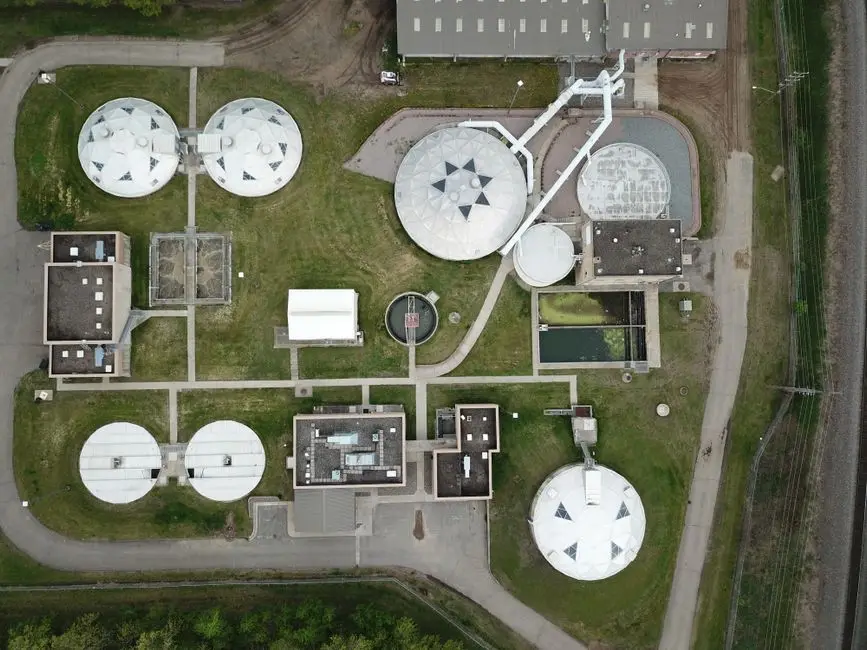 Sewage Water RemovalSewage backup is category 3 water and requires containment, PPE, and antimicrobial treatment. Our IICRC AMRT technicians handle it safely, then extract and dry with full documentation for your claim.Explore →
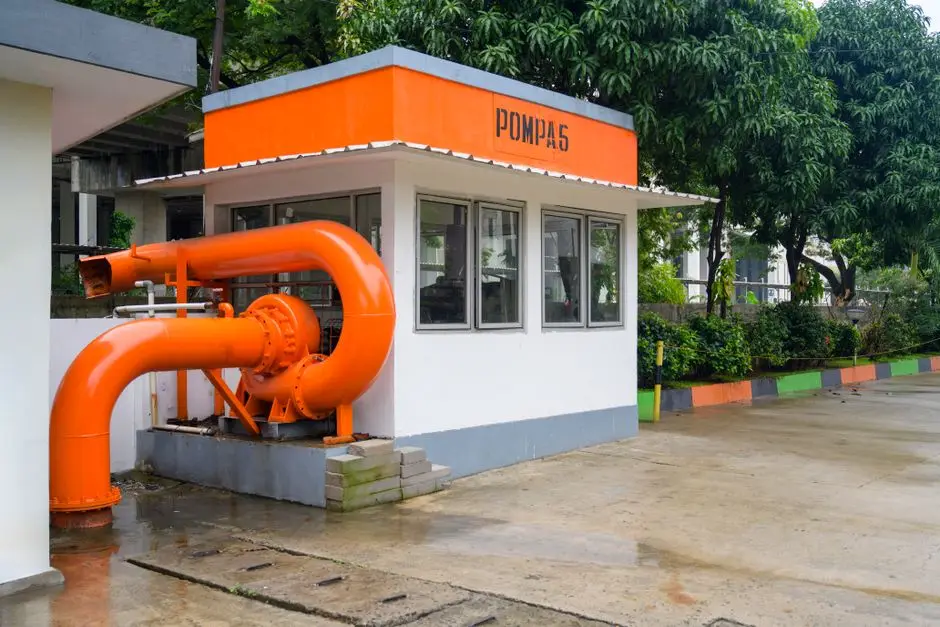 Sump Pump Failure Water RemovalA dead sump pump during a 2 a.m. storm can leave 4 inches of water in a basement in under an hour. We extract fast, then diagnose the float switch, check valve, or power issue so it doesn't happen again.Explore →
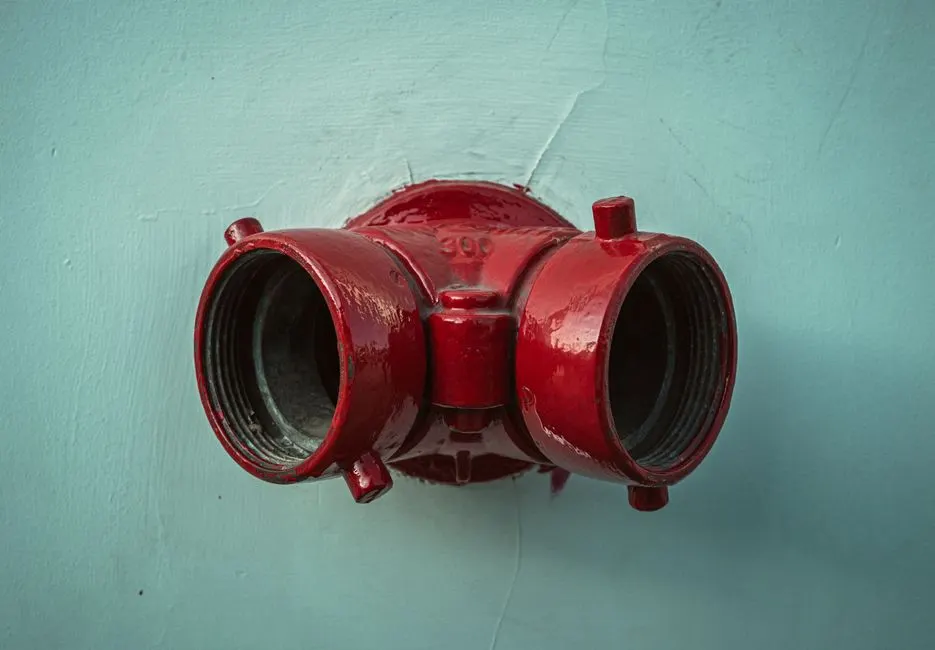 Burst Pipe Water RemovalFrozen PEX or copper pipe can split and dump water behind a wall for hours before you notice. We extract, dry the cavity, and coordinate with a licensed plumber to repair the line.Explore →
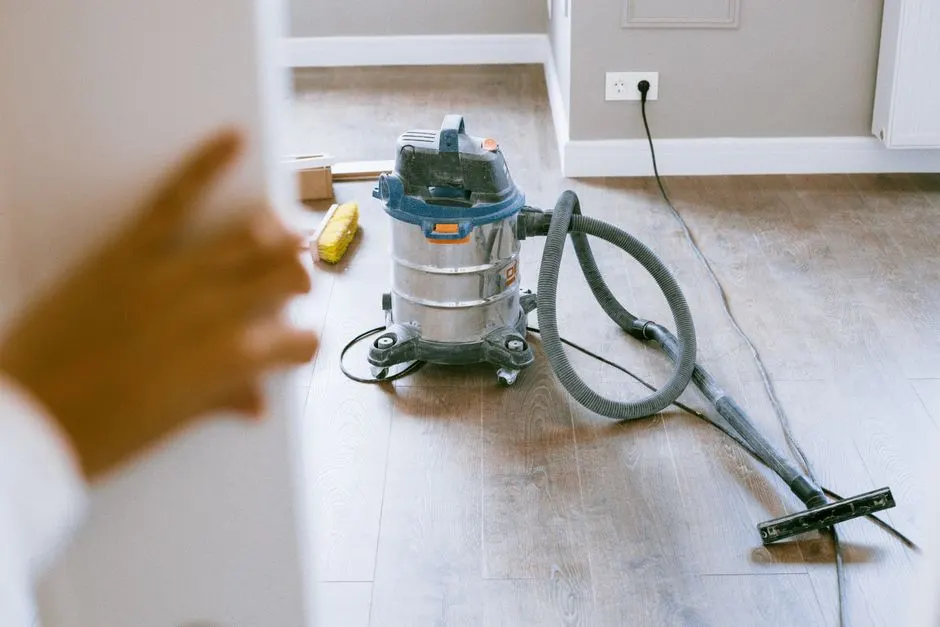 Hardwood Floor Water RemovalFlooded hardwood floors can sometimes be saved if extraction starts within 24 hours. We use a borescope to check under the planks and dry in place when the wood is salvageable.Explore →
Every hour counts. Call (833) 640-1438 and we'll dispatch the nearest crew for standing water extraction in Alabama. Upfront pricing, insurance documentation, and a moisture meter reading before we leave.
Get Emergency Help (833) 640-1438 →Call us any time, day or night. We answer 24/7 and dispatch the closest crew to your Alabama address. Most calls get a tech on site within 60 minutes. If you prefer email, send us the details and we will respond within the hour during normal business hours.