How to clean up sewage water in your home safely
Sewage backups are a Category 3 biohazard, not a mop-and-bucket job. Here is the safe step-by-step, what it costs in Alabama, and when to call a pro.
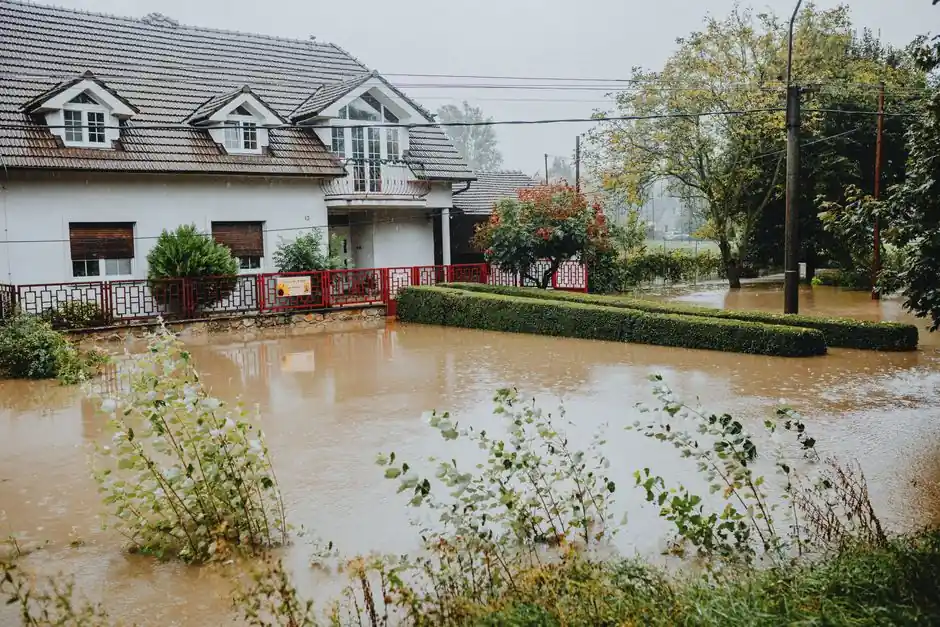
Cleaning up sewage water in your home safely means keeping yourself out of the contaminated zone, shutting off the source, and letting trained technicians extract and disinfect the affected materials. Sewage water is a Category 3 biohazard - it carries E. coli, hepatitis A, salmonella, and parasites - so the only safe cleanup for anything more than a small, contained spill is professional sewage water extraction followed by hospital-grade disinfection and drying. This guide walks you through what you can safely do in the first hour, what you should never touch, and what cleanup actually costs in Alabama in 2026.
We handle sewage backups across central Alabama every week, from finished basements in Water Removal in Birmingham to older slab homes in the smaller communities north of the city. The pattern is always the same: a homeowner mops up what they can see, the smell lingers, and three weeks later the baseboards are swelling. Here is how to avoid that.
Why Sewage Water Is a Category 3 Biohazard
Sewage water is classified as Category 3 - the most contaminated class of water damage - because it contains human waste, viruses, bacteria, and sometimes industrial chemicals from the municipal line. The IICRC S500 standard, which governs water damage restoration, treats any water that has touched a sewer line as grossly contaminated. That classification matters because it changes the rules: porous materials like carpet, drywall, and insulation cannot be dried and saved. They have to be removed and disposed of.
Category 3 water also carries a real infection risk. A single splash to the eyes, mouth, or an open cut can transmit pathogens. That is why we wear full PPE - respirators, Tyvek suits, rubber boots, nitrile gloves - on every sewage job, and why you should not wade into a backed-up basement in flip-flops and shorts.
One more thing homeowners miss: the danger does not end when the water is gone. Bacteria and mold colonize wet drywall and wood framing within 24 to 48 hours. If the structure is not dried and treated within that window, you are looking at a mold problem on top of a sewage problem.
How do I safely clean up sewage water in my home in Alabama?
You can safely handle the perimeter of a small sewage spill - protecting yourself, stopping the flow, and keeping the contamination from spreading - but the extraction and disinfection of the affected area should be done by a licensed remediation crew. Here is the sequence we walk homeowners through on the phone while we are en route.
1. Get people and pets out of the affected area
Move children, elderly family members, and pets to a part of the house that is dry and upwind of the smell. If the backup is in a basement or crawl space, close the door behind you and keep it closed.
2. Shut off the water and the power to the affected zone
If the backup is coming from a toilet or floor drain, stop using all water fixtures in the house - every flush and every sink drain adds to the flood. If standing water is anywhere near outlets, appliances, or a breaker panel, kill power to that area at the main panel. Do not stand in the water to flip a breaker.
3. Suit up before you touch anything
Rubber boots, nitrile gloves, eye protection, and an N95 or better respirator. If you do not have them, stay out. A pair of dish gloves and a cloth mask is not adequate protection against Category 3 water.
4. Ventilate, but do not cross-contaminate
Open windows in the affected room if weather allows. Do not run your HVAC system - it will pull contaminated air and moisture through the whole house. Set up a box fan blowing outward through a window if you have one, not a fan blowing into the room.
5. Block the spread
Lay plastic sheeting or old towels at the doorway to keep contaminated water from wicking into adjacent carpet. Do not walk through the sewage and then across clean flooring.
6. Call for extraction
This is the step most homeowners try to skip. A wet/dry shop vac will pull up the visible water, but it will not remove the contamination that has soaked into the subfloor, the baseplates, or the bottom two feet of drywall. Professional Sewage Water Removal in Alabama uses truck-mounted extraction, EPA-registered disinfectants, and commercial dehumidifiers to actually finish the job.
What You Should Never Do After a Sewage Backup
These are the mistakes we see most often, and each one turns a manageable claim into a much bigger one.
- Do not use a household vacuum or shop vac on the water. A standard shop vac aerosolizes bacteria and can spread contamination through the room.
- Do not try to save the carpet. Carpet and pad that have touched sewage water are a total loss. Cutting them out is cheaper than replacing them twice.
- Do not run your central air. It will distribute pathogens and moisture into every room in the house.
- Do not bleach-and-forget. Household bleach kills some surface bacteria but does nothing for the moisture trapped inside walls. If the structure stays wet, mold will follow.
- Do not wait for the smell to go away on its own. It will not. The odor is a sign that contamination is still present.
- Do not file the insurance claim before you document. Photograph everything before anything is moved or removed.
What Professional Sewage Water Extraction Actually Involves
When our crew arrives, the job runs in a fixed order: contain, extract, remove, disinfect, dry, verify. Skipping any step is how a sewage job comes back as a mold job.
We start by setting up containment - plastic barriers and negative air pressure - so contamination does not migrate to clean parts of the house. Then we extract standing water with truck-mounted units that pull 30 to 50 gallons a minute. Anything porous that touched the water - carpet, pad, drywall up to the flood line, insulation, sometimes cabinetry - gets cut out and bagged for disposal.
Next comes disinfection. We apply EPA-registered hospital-grade disinfectant to every affected surface, including the subfloor and framing, and let it dwell for the full contact time the label requires. Then we set commercial dehumidifiers and air movers - usually one dehumidifier per 1,000 to 1,200 square feet and one air mover per 10 to 16 linear feet of wall - and run them for three to five days until the structure reads dry on a moisture meter.
We finish with a verification pass: moisture readings, a thermal scan, and a visual check. If the numbers are not where they need to be, we keep drying. We do not pack up early and hope.
If the backup originated in a basement or crawl space, the scope changes. Crawl Space Water Removal in Alabama is a different job than a slab-on-grade bathroom backup, because crawl spaces hold moisture longer and often hide it from the homeowner for weeks.
How much does sewage water removal cost in Alabama?
Typical 2026 pricing in central Alabama runs $1,200 to $3,500 for a small, contained sewage backup, and $4,000 to $12,000 or more when the job involves a finished basement, cut-out drywall, or a crawl space. The spread is wide because the cost is driven by three variables: how much water there is, how far it spread, and how much porous material has to be removed.
Here is how the pricing usually breaks down:
- Emergency call-out and inspection: $150 to $400, often waived if you proceed with the cleanup.
- Extraction: $75 to $200 per hour, or a flat rate based on square footage.
- Demolition of contaminated materials: $2 to $6 per square foot of drywall, more if cabinets or tile are involved.
- Disinfection: $0.50 to $1.50 per square foot.
- Drying equipment rental: $30 to $75 per unit per day, usually three to five days.
- Disposal: $200 to $600 for hauling and landfill fees on contaminated debris.
Most homeowners pay the deductible and let insurance handle the rest. If you want a firm number before we start, we will give you one after a walkthrough - no surprise line items at the end.
Does Alabama Homeowners Insurance Cover Sewage Water Removal?
Most Alabama homeowners policies cover sewage backup only if you have added the water backup endorsement - it is not part of a standard HO-3 policy. That endorsement typically costs $50 to $150 a year and raises your coverage limit to $5,000 or $10,000, sometimes more. Without it, a sewage backup is usually an out-of-pocket expense.
Two things to know before you call your adjuster. First, the cause matters. If the backup came from a municipal line failure, some policies treat it differently than a backup caused by a clogged lateral on your property. Second, most policies require you to mitigate further damage - meaning you cannot wait a week to call a cleanup crew and then expect the claim to go through. Document the damage, call a professional, and keep the receipts.
If your policy does not cover it, ask about the water backup endorsement at your next renewal. It is one of the cheapest add-ons on the market and it covers exactly this scenario.
When to Call a Professional
Call a professional the moment the water is anything more than a small, contained spill on a hard surface - and honestly, call anyway if you are not sure. The rule we give homeowners is simple: if the water came out of a drain, a toilet, or a sewer line, it is contaminated, and it needs professional extraction and disinfection.
You should also call if any of these apply:
- The affected area is larger than about 10 square feet.
- The water has been sitting for more than 12 hours.
- Carpet, drywall, or insulation is wet.
- The backup is in a basement or crawl space.
- Anyone in the home has a compromised immune system, is pregnant, or is under 5.
- You can smell sewage in rooms that never got wet.
Our team at AL Water Remover Pros handles emergency sewage water extraction across central Alabama, usually on-site within 60 to 90 minutes of your call. We extract, disinfect, dry, and verify - and we work directly with your insurance adjuster so you are not stuck translating between the two.
Frequently Asked Questions
How do I safely clean up sewage water in my home in Alabama?
Get everyone out of the affected area, shut off the water supply and power to that zone, and put on rubber boots, gloves, eye protection, and an N95 respirator before touching anything. Do not use a shop vac or your HVAC system. Call a licensed remediation crew for extraction and disinfection - Category 3 water is not a DIY cleanup.
Who does sewage water removal in Alabama?
Licensed water damage restoration companies handle it. AL Water Remover Pros provides emergency sewage water removal across central Alabama, including Birmingham, Jasper, Pinson, and the surrounding communities. We are available for same-day emergency response and work directly with insurance carriers on covered claims.
How much does sewage water extraction cost in Alabama?
Expect $1,200 to $3,500 for a small contained backup in 2026, and $4,000 to $12,000 or more for a finished basement or crawl space with cut-out drywall. Cost depends on water volume, spread, and how much porous material has to be removed and disposed of.
Does Alabama homeowners insurance cover sewage water removal?
Only if you have the water backup endorsement on your policy. Standard HO-3 policies exclude sewage backup. The endorsement typically costs $50 to $150 per year and raises your coverage limit to $5,000 or $10,000. Check your declarations page before you assume you are covered.
How long does sewage cleanup take?
Extraction and demolition usually take one day. Drying takes three to five days with commercial equipment. Total project time from first call to verified dry is typically four to seven days for a small backup, longer if reconstruction is needed.
Get help with Water Removal in Alabama
Sewage backups do not get better with time - they get more expensive. If you are looking at standing sewage water right now, call us and we will walk you through what to do while we are on the way.
Call AL Water Remover Pros at (833) 640-1438 for emergency sewage water removal anywhere in central Alabama. We answer 24/7.