How to Dry Out a Flooded Basement Without Mold
Standing water in your basement starts growing mold in 24 to 48 hours. Here is the exact order of operations to dry it out fast and keep it dry.
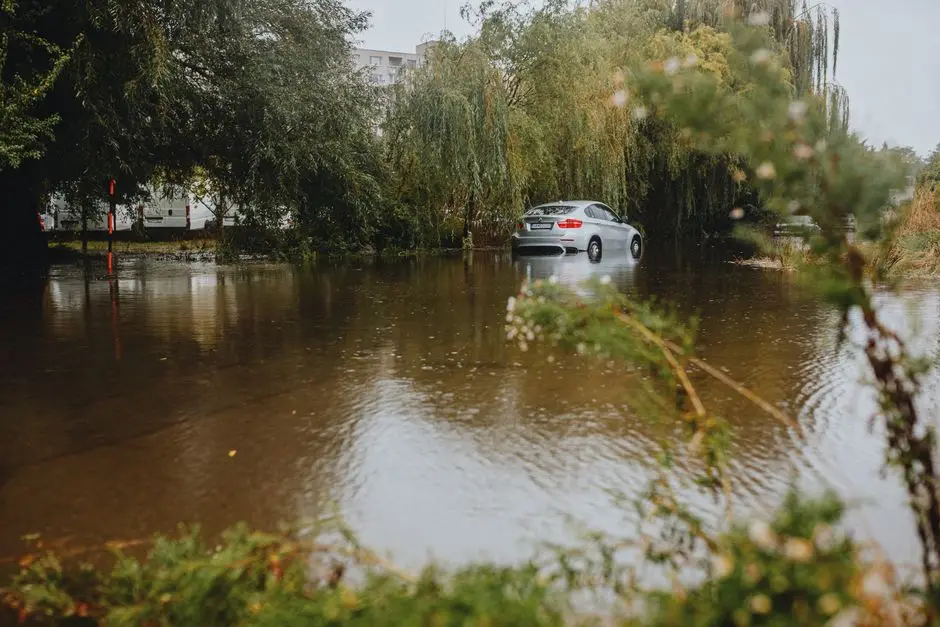
Drying a flooded basement without mold means getting standing water out within 24 hours, then running dehumidifiers and air movers until the concrete, drywall, and framing read below 16% moisture. Mold needs three things to grow: moisture, organic material like drywall paper or wood, and 24 to 48 hours of time. Remove the moisture and you remove the problem.
We have pumped hundreds of basements across Jefferson and Shelby counties after summer thunderstorms, winter pipe bursts, and failed sump pumps. The homeowners who avoid mold are the ones who move fast and dry the structure, not just the air. Here is the exact order of operations we use.
How Long You Have Before Mold Starts
Mold spores are already in your basement air. They are dormant until moisture gives them a reason to colonize. Once drywall, carpet, or wood framing stays wet for 24 to 48 hours, visible mold can appear within 72 hours.
Alabama makes this worse than most states. Our average relative humidity sits between 70% and 75% for much of the year, and summer dew points regularly climb above 70°F. A wet basement in Birmingham in July dries far slower than the same basement in Arizona. That humidity is why we treat the first 24 hours as the real deadline, not the first week.
How to dry out a flooded basement without mold is a water removal and structural drying process that starts the moment the water stops rising. Every hour you wait, the drying job gets bigger and the mold risk gets higher.
Step 1: Stop the Water and Make It Safe
Before you touch a wet vac, kill the power to the basement at the breaker panel. Water and live circuits do not mix, and a flooded basement often has outlets, a water heater, and a furnace sitting in the water.
Once the power is off, find the source. If it is a burst pipe, shut off the main water valve. If it is a sump pump that quit, you already know the source. If it is groundwater pushing up through the floor drain after a storm, there is nothing to shut off - you just have to get the water out.
Watch for these hazards before you step in:
- Sewage backup - if the water smells like waste, it is category 3 water and needs professional handling.
- Gas smells - leave the house and call the gas company.
- Sagging ceilings - drywall holding water can collapse.
- Electrical panels or outlets below the waterline.
If the water is contaminated or the source is a sewage line, stop and call us. We handle Sewage Water Removal in Alabama with the protective gear and disposal that job requires.
Step 2: Extract Standing Water Fast
Standing water is the enemy. Every hour it sits, it wicks higher into drywall, baseboards, and framing. Get it out with a wet/dry vacuum for shallow water or a submersible pump for anything over an inch.
For a typical 500-square-foot basement with 2 inches of water, a good submersible pump moves 30 to 50 gallons per minute. That is roughly 1,500 to 2,500 gallons, which takes 30 to 60 minutes to pump. A wet vac handles the last shallow puddles the pump cannot reach.
If you have a large volume or the water keeps coming back, professional Basement Water Removal in Alabama uses truck-mounted extraction that pulls water out faster than any homeowner pump. We also check the source so you are not pumping the same water twice.
Once the standing water is gone, pull up wet carpet and pad. Carpet pad is a sponge and almost never dries in place. If the carpet was down more than 24 hours, it usually needs to be replaced.
Step 3: Dry the Structure, Not Just the Air
This is where most DIY drying jobs fail. Homeowners point a box fan at the floor and call it done. The air feels dry, but the concrete and drywall are still wet, and mold grows inside the wall cavity where you cannot see it.
You need three things working together:
- Air movers - high-velocity fans that push air across wet surfaces to speed evaporation. One air mover per 10 to 16 linear feet of wall.
- Dehumidifiers - pull the evaporated moisture out of the air so it does not re-settle. A standard residential dehumidifier pulls 30 to 50 pints per day. A flooded basement needs commercial units that pull 100 to 150 pints per day.
- Moisture meter - a $40 tool that tells you when the structure is actually dry. You are aiming for below 16% on wood and below 4% on concrete.
Run the equipment 24 hours a day. Do not shut it off at night to save power. Every hour off is an hour mold gets to work.
For basements with hardwood floors, drying is a different job. Wood cups and buckles if it dries too fast on top. We use Hardwood Floor Water Removal in Alabama with controlled drying mats that pull moisture from underneath without warping the boards.
How Long Does It Take to Dry a Flooded Basement in Alabama?
A flooded basement in Alabama typically takes 3 to 5 days to dry with professional equipment, and 5 to 10 days with homeowner-grade fans and dehumidifiers. The difference is equipment capacity and Alabama's humidity.
Here is what drives the timeline:
- Water category - clean water from a supply line dries in 3 to 4 days. Sewage-contaminated water takes longer because of sanitizing and disposal.
- Materials affected - concrete dries fast. Drywall, carpet, and wood framing hold water and take longer.
- How long it sat - water that sat 48 hours before extraction adds 1 to 2 days to the drying time.
- Season - a January flood dries slower because you cannot open windows. A July flood dries slower because the outside air is already saturated.
We check moisture readings daily and do not pull equipment until the structure is actually dry. Pulling gear too early is how mold comes back two weeks later.
What to Watch Out For
These are the mistakes we see most often when we get called to a basement that a homeowner already tried to dry.
- Running a fan without a dehumidifier. The fan moves moisture into the air. Without a dehumidifier, that moisture settles back into the walls.
- Pulling up wet carpet and reinstalling it. If the pad got wet, it is done. Reusing it traps moisture under the carpet.
- Ignoring the wall cavity. Drywall wicks water up 12 to 24 inches. If the baseboard is wet, the drywall behind it is wet too.
- Bleaching visible mold and calling it fixed. Bleach kills surface mold but does not remove the moisture source. It comes back.
- Not checking the sump pump. If your sump pump failed once, it will fail again. Test it before the next storm.
If your sump pump is the reason you are reading this, we handle Sump Pump Failure Water Removal in Alabama and can check the pit while we are there.
How Much Does Basement Water Removal Cost in Alabama?
Typical 2026 pricing for basement water removal in Alabama runs $1,200 to $4,500 for most residential jobs. Small jobs - a few inches of clean water in an unfinished basement - start around $800. Large jobs with sewage contamination, finished walls, and carpet replacement can run $6,000 or more.
What moves the number:
- Water volume and square footage - a 300-square-foot basement costs less than a 1,200-square-foot finished space.
- Water category - clean water is cheaper than sewage or storm water.
- Materials affected - drywall, carpet, and hardwood add removal and replacement cost.
- Mold treatment - if mold is already present, add $500 to $2,500 for remediation.
Most homeowners insurance policies cover sudden and accidental water damage, like a burst pipe or failed water heater. They usually do not cover gradual leaks or groundwater flooding. Check your policy before you assume.
If the water came in through a window well or door during a storm, that is a different claim category. We handle Storm Water Removal in Alabama and can document the damage for your adjuster.
When to Call a Professional
Call a professional if the water is deeper than 2 inches, if it is contaminated, if it has been sitting more than 24 hours, or if your basement is finished. Those four situations are where DIY drying fails and mold wins.
We also get calls from homeowners who dried the basement themselves, thought it was fine, and found mold three weeks later behind the baseboards. Our team uses thermal imaging and moisture meters to find water you cannot see. We dry the structure, verify it with readings, and document everything for your insurance claim.
If you are in an area we serve, we can usually be on-site the same day. We work across the Birmingham metro and surrounding communities, including Water Removal in Birmingham and the smaller towns nearby.
Frequently Asked Questions
How do I dry out a flooded basement without mold in Alabama?
Extract standing water within 24 hours, then run air movers and commercial dehumidifiers for 3 to 5 days until moisture meters read below 16% on wood and 4% on concrete. Alabama's high humidity means you need stronger equipment than homeowners in drier states.
Who does basement water removal in Alabama?
AL Water Remover Pros handles basement water extraction, structural drying, and mold prevention across Jefferson and Shelby counties. We are a local company, not a national franchise, and we can usually be on-site the same day you call.
How long does basement water extraction take in Alabama?
Extraction itself takes 1 to 3 hours for a typical residential basement. The full drying process takes 3 to 5 days with professional equipment. If the water sat more than 48 hours or the basement is finished, add 1 to 2 days.
Does Alabama homeowners insurance cover flooded basement water removal?
It depends on the source. Sudden events like burst pipes and failed water heaters are usually covered. Groundwater flooding and gradual leaks are usually not. Most policies also exclude mold remediation unless the mold came from a covered water event.
Can I just run a fan and wait for it to dry?
No. A fan moves moisture into the air but does not remove it. Without a dehumidifier, that moisture settles back into the walls and floor. You need both air movement and dehumidification to dry the structure.
Get Help With Water Removal in Alabama
If your basement is flooded right now, every hour counts. We extract the water, dry the structure, and verify it with moisture readings so mold does not get a foothold.
Call AL Water Remover Pros at (833) 640-1438 for same-day Water Removal in Alabama.