How to Remove Standing Water from a Crawl Space
Standing water in an Alabama crawl space won't dry on its own. Here's how to remove it, what it costs in 2026, and when to call a pro.
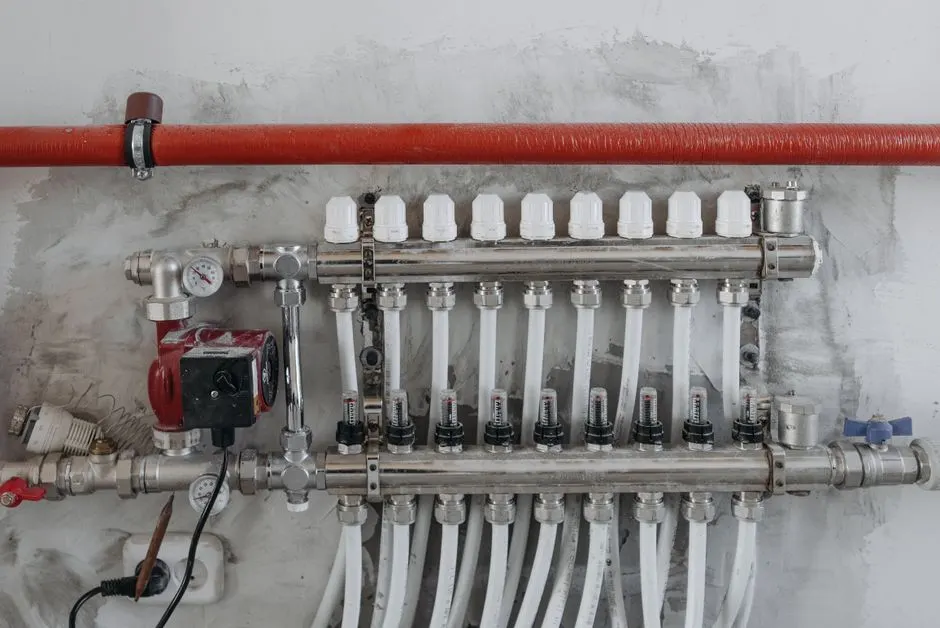
Standing water in a crawl space is removed by stopping the water source first, then pumping or vacuum-extracting the standing water, removing saturated insulation and debris, and drying the joists and subfloor with high-capacity air movers and dehumidifiers. In Alabama, that process usually needs to start within 24 to 48 hours because our humidity gives mold a head start that northern states don't deal with.
If you're looking at a puddle under your house right now, the short version is: don't wade in, kill the power to anything down there, and get the water out before you worry about anything else. The rest of this post walks through how we actually do it, what it costs in 2026, and the mistakes that turn a $1,200 job into a $6,000 one.
Why Standing Water in an Alabama Crawl Space Is a Different Problem
Alabama crawl space water removal is harder than it is in drier climates because the air itself is working against you. Average relative humidity in central Alabama sits between 70 and 80 percent most of the year, and a wet crawl space pushes that toward saturation. Water that would evaporate in two days in Arizona can sit in a Birmingham-area crawl space for two weeks and still be wet to the touch.
Our soil matters too. Much of Jefferson and Shelby County sits on clay-heavy dirt that drains slowly. After a heavy spring storm, groundwater wicks up through the soil and finds the lowest point under your house. That's why we see the same crawl spaces flood every April and every November - it's not bad luck, it's drainage.
And then there's the mold clock. Mold spores germinate on wet wood in 24 to 48 hours when the temperature is between 70 and 85 degrees. A crawl space in July sits right in that range. Once mold colonizes the floor joists, you're not just removing water anymore - you're remediating.
If you want the full picture of what professional Crawl Space Water Removal in Alabama involves, we break it down service by service on that page. For now, here's the hands-on version.
How Do I Remove Standing Water from a Crawl Space in Alabama?
You remove standing water from a crawl space in Alabama by locating and stopping the source, then extracting the water with a pump or wet vacuum, then drying the structure - in that order. Skipping the source step is the single most common reason a crawl space floods again a week later.
Here's the sequence we run on every job.
- Find the source. Is it a burst pipe, a failed sump pump, a backed-up drain, or groundwater seeping through the foundation? The fix is completely different for each.
- Kill the power. If there's any chance water is touching wiring or a HVAC unit, shut off the breaker to the crawl space before anyone goes down there.
- Check for sewage. If the water smells like waste, stop. That's a category 3 contamination and it needs a respirator, gloves, and professional disposal - not a shop vac.
- Pump it out. A submersible utility pump moves 30 to 60 gallons per minute. A wet/dry shop vac moves about 10 to 15 gallons before it needs emptying. For anything over an inch deep across the whole footprint, use a pump.
- Pull wet insulation. Batts and blown-in insulation that have been submerged need to come out. They don't dry, and they hold moisture against the wood.
- Dry the structure. Air movers plus a refrigerant or desiccant dehumidifier. Target 50 percent relative humidity or lower in the crawl space.
- Treat and monitor. Antimicrobial on the joists, then a moisture meter reading every 24 hours until the wood is back under 16 percent.
That last step is where most DIY jobs fail. Wood that feels dry on the surface can still be at 25 percent moisture inside, and that's plenty for mold.
The Right Order of Operations for Crawl Space Water Extraction
Crawl space water extraction in Alabama only works when you dry the structure, not just the floor. We've walked into crawl spaces where the homeowner had pumped the water out three days earlier and the joists were still reading 28 percent on a pin meter.
Step 1: Stop the water
If it's a plumbing leak, we shut the main and repair the line. If it's a sump pump failure, we replace the pump and check the float switch. If it's groundwater, the fix is exterior - grading, gutters, French drains, or a vapor barrier plus a permanent dehumidifier.
We handle all of those under sump pump failure water extraction Alabama, and it's usually the fastest path because we're not guessing at the source.
Step 2: Extract the standing water
For shallow water - under an inch - a wet vacuum and squeegee work fine. For anything deeper, we run a gas-powered or electric trash pump. A 2-inch discharge hose moves water out of a 1,200 square foot crawl space in about 45 minutes.
Step 3: Remove contaminated materials
Wet insulation, cardboard, wood scraps, and any fallen debris come out. If the water was category 3 (sewage), the affected vapor barrier comes out too.
Step 4: Dry the air and the wood
We run one air mover per 50 to 75 square feet of crawl space floor, plus a dehumidifier sized to the cubic footage. A 1,500 square foot crawl space with 3-foot clearance is about 4,500 cubic feet - that needs a 100-pint-per-day dehumidifier minimum.
Drying typically takes 3 to 5 days. We check moisture readings daily and don't pull equipment until the joists read under 16 percent.
Step 5: Treat and prevent
Antimicrobial on the framing, new vapor barrier on the ground, and a plan for the next storm. That's the difference between fixing the problem and renting a pump every spring.
What Does Crawl Space Water Extraction Cost in Alabama?
Crawl space water extraction in Alabama runs $1,200 to $4,500 for most residential jobs in 2026, with the average sitting around $2,200. The range is wide because the job changes completely depending on whether you're dealing with a clean water pipe leak or a sewage backup.
Here's how the pricing typically breaks down:
- Small job (under 500 sq ft, clean water, 1-2 inches deep): $800 to $1,500
- Average job (1,000-1,500 sq ft, clean water, 2-4 inches deep): $1,800 to $3,200
- Large or contaminated job (over 1,500 sq ft, sewage or long-standing water): $3,500 to $8,000+
- Mold remediation add-on: $1,500 to $6,000 depending on square footage affected
- New vapor barrier and dehumidifier install: $1,200 to $3,500
Emergency calls after hours or on weekends usually add 25 to 50 percent. And if you're filing an insurance claim, most Alabama homeowner policies cover sudden pipe bursts and sump pump failures but not gradual groundwater seepage - that distinction matters when you call.
We give you a flat number before we start. No hourly surprises.
Common Mistakes We See Homeowners Make
The mistakes that turn a manageable crawl space flood into a five-figure problem are almost always the same ones. Here's what we see on repeat.
- Waiting to see if it dries on its own. In Alabama humidity, it won't. Mold starts in 24 to 48 hours.
- Using a shop vac for a sewage backup. That spreads bacteria through the whole crawl space and contaminates the vac.
- Pumping the water out but skipping the drying. The floor looks dry. The joists are still wet. Six weeks later you have mold.
- Leaving wet insulation in place. It holds water against wood like a sponge.
- Not fixing the source. If you don't address the grading, the gutter, or the failed sump pump, you'll be doing this again next storm.
- Running a box fan down there. A box fan moves air but doesn't remove moisture. You need a dehumidifier pulling water out of the air.
If you're seeing water in the basement too, not just the crawl space, that's a bigger footprint. We cover that under basement water extraction Alabama because the drying strategy is different - concrete walls hold moisture longer than wood framing.
When to Call a Professional
Call a professional when the water is deeper than two inches, when it smells like sewage, when you can't find the source, or when the water has been sitting for more than 48 hours. Those four situations are where DIY goes wrong.
We also get called when a homeowner has pumped the water out themselves but the crawl space still smells musty two weeks later. That smell is mold, and by then you're looking at remediation, not just extraction.
Our team at AL Water Remover Pros handles the whole job - source repair, extraction, drying, antimicrobial, and vapor barrier. We're licensed and insured in Alabama, and we work directly with your insurance adjuster if you're filing a claim.
If you're in the Birmingham metro and you've got water under the house, we can usually be on site the same day. We also serve the surrounding communities, including Water Removal in Vincent and the rest of Shelby County.
Frequently Asked Questions
How do I remove standing water from a crawl space in Alabama?
Stop the water source first, then pump or wet-vac the standing water out, remove saturated insulation, and run air movers plus a dehumidifier until the joists read under 16 percent moisture. In Alabama's humidity, that drying phase takes 3 to 5 days - not one afternoon.
Who does crawl space standing water removal in Alabama?
AL Water Remover Pros handles crawl space standing water removal across the Birmingham metro and surrounding counties. We're licensed and insured, we do source repair and extraction in the same visit, and we work with your insurance company if you're filing a claim.
How much does crawl space water extraction cost in Alabama?
Most residential jobs run $1,200 to $4,500 in 2026, with the average around $2,200. Small clean-water jobs start near $800, while sewage-contaminated or large-footprint jobs can exceed $8,000 before mold remediation. After-hours emergency calls add 25 to 50 percent.
Can standing water in a crawl space cause mold in Alabama?
Yes - mold can start growing on wet wood in 24 to 48 hours when temperatures are between 70 and 85 degrees, which is most of the year in Alabama. Once it colonizes the joists, remediation costs $1,500 to $6,000 on top of the water removal.
Will homeowners insurance cover crawl space water removal in Alabama?
Most policies cover sudden events like a burst pipe or sump pump failure. Gradual groundwater seepage and long-term moisture damage are usually excluded. We document the source and cause so your adjuster has what they need to make a decision.
Get Help with Water Removal in Alabama
If you've got standing water under your house right now, don't wait for it to dry. In Alabama, it won't - and every day you wait, the mold clock keeps running.
Call AL Water Remover Pros at (833) 640-1438 and we'll get a crew out to pump it, dry it, and fix what caused it.