Signs Your Sump Pump Has Failed and Water Is Rising
Your sump pump has failed if it runs constantly, cycles on and off every few minutes, or sits silent while water climbs the pit. Here's what to check and do next.
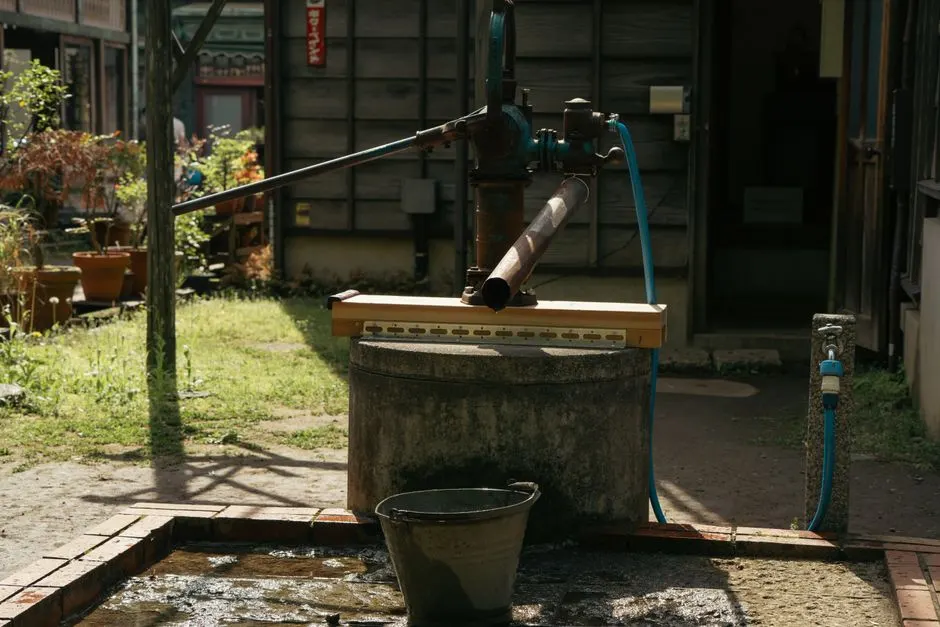
Your sump pump has failed if it runs nonstop without moving water, cycles on and off every few minutes, or sits silent while the pit fills past the trigger line. Any of those three means water is already winning - and in a finished Alabama basement, you have roughly 24 to 48 hours before drywall wicks moisture above the baseboard and mold starts colonizing.
We have pumped out hundreds of basements across Jefferson and Shelby counties after sump failures, and the pattern is almost always the same: the homeowner heard something odd two days earlier and ignored it. This post covers the exact signs your sump pump has failed, what to do in the first hour, what 2026 water removal costs in Alabama, and when to stop troubleshooting and call us.
What Are the Signs Your Sump Pump Has Failed?
Signs your sump pump has failed include unusual noises, constant cycling, visible rust or debris in the pit, and water pooling around the basin even when the float is up. The pump may still hum - a humming pump that is not moving water is a failed pump. Here are the specific signals we check on every call.
- No sound at all during heavy rain. A working pump kicks on every 2 to 5 minutes during a storm. Silence means either no power, a stuck float, or a dead motor.
- Constant running without discharge. If the pump runs for more than 60 seconds and the water level in the pit does not drop, the impeller is clogged or the check valve has failed.
- Cycling every 30 to 60 seconds. Short cycling usually means a stuck float switch or a check valve that is letting water drain back into the pit.
- Rust-colored water or grit in the pit. Alabama red clay and iron-heavy groundwater chew through impellers. If the discharge water looks like weak tea, the pump is on borrowed time.
- Vibration or grinding. A grinding noise means the bearings are gone. Replace the pump before it seizes mid-storm.
- Water on the floor with a dry pit. This is the confusing one. It usually means the discharge line froze, disconnected, or is dumping water right back against the foundation.
If you see any two of those at once, treat it as a failed sump pump and act. Do not wait for the next storm to confirm.
Why Sump Pumps Fail in Alabama
Sump pumps fail in Alabama faster than in most states because of our soil, our storm patterns, and the age of the housing stock. Three factors do most of the damage.
First, the clay. Central Alabama sits on dense red clay that sheds water instead of absorbing it. During a 2-inch rain, that water has nowhere to go but against your foundation and into your drain tile. A pump sized for average flow gets overwhelmed by a 10-year storm - and we have had several of those in the last few years.
Second, power. Sumps fail most often during the exact weather that causes outages. A pump that has no battery backup is a pump that quits the moment you need it. We see this constantly in older neighborhoods like Water Removal in Graysville where overhead lines and mature trees combine to knock out power for hours at a time.
Third, age. The average sump pump lasts 7 to 10 years. If yours was installed when the house was built in the 1990s or early 2000s, it is past its service life whether it sounds fine or not. We pull pumps out of Water Removal in Hoover basements every week that look brand new on the outside and are completely seized on the inside.
One more Alabama-specific issue: sediment. Our groundwater carries fine grit that passes through most sump screens and slowly grinds down the impeller. A pump that moved 40 gallons per minute when new may be moving 15 by year six. You will not notice until the first big storm.
What to Do When Your Sump Pump Fails and Water Is Rising
When your sump pump fails and water is rising, the first move is to cut power to the basement at the breaker - not to the pump, to the whole basement circuit. Standing water and live outlets are a lethal combination. Then follow these steps in order.
- Kill the power. Flip the basement breaker. If the panel is in the basement and already wet, do not go near it. Call an electrician or call us.
- Stop the water source if you can. If the failure is from a burst pipe or a running appliance, shut the main valve. If it is groundwater, you cannot stop it - move to step three.
- Move valuables up. Anything on the floor goes on a table, a shelf, or upstairs. Electronics, documents, rugs, and cardboard boxes first. Cardboard wicks water and holds it against whatever it touches.
- Do not walk through sewage. If the water smells like sulfur or looks black, it is category 3 - contaminated. Stay out and call a pro.
- Document everything. Photos and video of the water line on the wall, the failed pump, and every damaged item. Your adjuster will ask for these.
- Call for extraction. A wet/dry shop vac moves about 5 gallons before you have to empty it. A professional truck-mounted unit pulls 20 to 40 gallons per minute and gets the water out before it wicks into the wall cavity.
If the water is already touching drywall, baseboards, or carpet pad, skip the shop vac. The clock on mold starts at 24 hours, and a shop vac cannot dry a wall cavity.
How Much Does Sump Pump Failure Water Removal Cost in Alabama?
Typical 2026 pricing for sump pump failure water removal in Alabama runs $1,200 to $3,800 for a standard basement, and $4,500 or more if the water was contaminated or the finished space is large. Here is how that breaks down.
- Extraction only, under 2 inches, unfinished basement: $500 to $1,200.
- Extraction plus drying equipment, 2 to 6 inches, finished basement: $1,800 to $3,800.
- Contaminated water (sewage backup or outdoor flooding): add 30 to 50 percent for antimicrobial treatment and disposal.
- Drywall removal and reinstallation: $400 to $1,500 depending on linear feet.
- Mold remediation if you waited past 48 hours: $1,500 to $6,000.
Most Alabama homeowners insurance policies cover sudden sump pump failure - but only if the pump was maintained and the failure was not from neglect. We walk customers through the claim paperwork on every job. If you want the full picture of what we do, our Sump Pump Failure Water Removal in Alabama page covers the process end to end.
The cost of waiting is the real number. A $1,200 extraction becomes a $6,000 mold job if you let it sit through the weekend. We have seen it happen more times than we can count.
Common Mistakes Homeowners Make After Sump Pump Failure
The biggest mistake is assuming the pump will restart. It will not. A failed pump that suddenly kicks back on is a pump that is about to fail again - usually at 2 a.m. during the next storm.
Other mistakes we see on almost every call:
- Running a wet/dry vac on a wet carpet. You will pull the pad apart and push water deeper into the subfloor.
- Pointing box fans at the wall. Fans move air. They do not pull moisture out of drywall or framing. You need dehumidifiers and air movers sized to the cubic footage.
- Bleaching the floor and calling it done. Bleach kills surface mold. It does not penetrate drywall, and it does not stop mold that is already growing inside the wall cavity.
- Replacing the pump before extracting the water. The new pump will just pump the same water back into a saturated pit. Extract first, then replace.
- Ignoring the discharge line. Half the failures we see are not the pump at all - they are a frozen, clogged, or disconnected discharge line. Check that first.
One more: do not assume your sump pit is the only water. Water travels. A failed pump in the corner of the basement often means water has already reached the opposite wall through the slab or the drain tile. We use thermal imaging on every job to find the water you cannot see.
When to Call a Professional
Call a professional the moment water is more than a half-inch deep, the water is contaminated, or the affected area is larger than 10 square feet. Those three thresholds are where DIY extraction stops working and structural damage starts.
We handle the whole job: extract the water, pull the wet carpet and pad, set drying equipment, monitor moisture daily until the framing reads dry, and replace the failed pump with a properly sized unit. We also install battery backup systems so the next outage does not put you back in the same spot.
If you are in an area we cover, we can usually be on-site the same day. Our team works across the Birmingham metro and the surrounding communities, and we bring the extraction truck, the drying equipment, and the moisture meters on the first visit - not a clipboard and a promise to come back.
If you want to understand the full scope of what we do beyond sump failures, our Water Removal in Alabama page lays out every service. But if water is rising right now, skip the reading and call.
Frequently Asked Questions
What are the signs your sump pump has failed?
The clearest signs are a pump that runs without moving water, cycles every 30 to 60 seconds, or stays silent during heavy rain. Rust-colored water, grinding noises, and water on the floor with a dry pit are also red flags. Two or more together means the pump has failed.
What do I do if my sump pump fails and water is rising in Alabama?
Cut power to the basement at the breaker, move valuables off the floor, and call for extraction if water is deeper than half an inch. Do not walk through contaminated water. In Alabama, groundwater rises fast on clay soil, so the first hour matters more than the first day.
Who does sump pump failure water removal in Alabama?
AL Water Remover Pros handles sump pump failure water removal across the Birmingham metro and surrounding communities. We extract the water, dry the structure, and replace the failed pump. Call (833) 640-1438 and we can usually be on-site the same day.
Does Alabama homeowners insurance cover sump pump failure water extraction?
Most Alabama policies cover sudden sump pump failure and the resulting water damage, typically after your deductible. Coverage usually excludes failures from neglect or lack of maintenance. Document everything with photos and call your adjuster before you throw anything away.
How long does sump pump failure water removal take?
Extraction takes 2 to 4 hours for a standard basement. Drying takes 3 to 5 days with professional equipment. If drywall or carpet pad has to come out, add a day for removal and another for reinstallation after the framing reads dry.
Get Help with Water Removal in Alabama
If your sump pump has failed and water is rising, every hour you wait adds cost and damage. We extract the water, dry the structure, and get your basement back to dry - usually the same day you call.
Call AL Water Remover Pros at (833) 640-1438. We will tell you on the phone what to do while we are on the way.