Toilet overflow water removal in Redstone Arsenal homes
A toilet overflow in Redstone Arsenal can soak drywall, subfloor, and HVAC ducts in minutes. Here's how we extract the water, dry the structure, and stop mold.
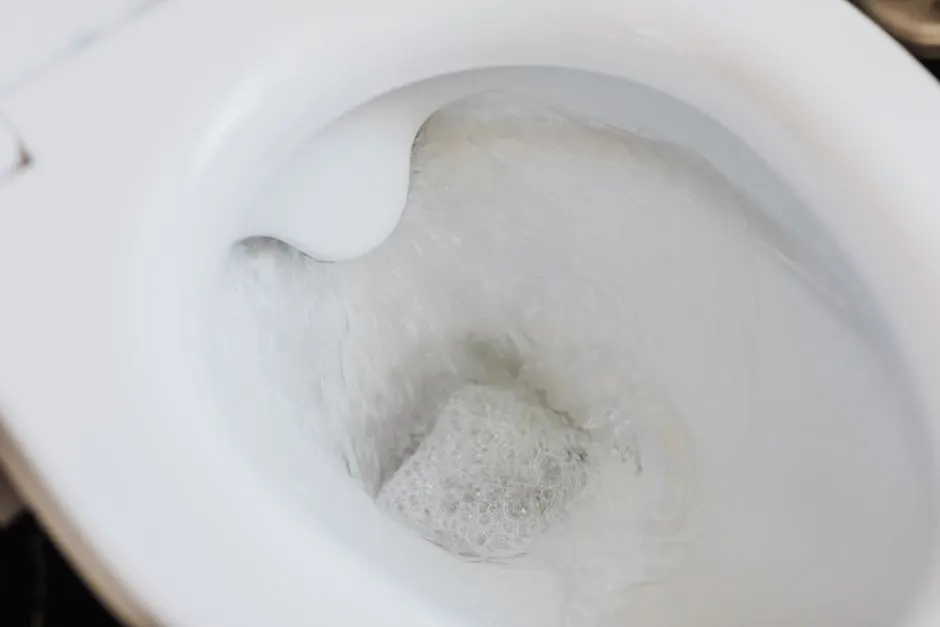
A toilet overflow in a Redstone Arsenal home is a Category 3 sewage loss - the water is contaminated and must be extracted and disinfected within 24 to 48 hours to prevent mold and structural rot. The first two sentences of this article are the answer: call a water removal crew immediately, shut off the supply valve, and do not use a shop vac on sewage water. The rest of this post explains why these overflows hit Redstone Arsenal homes harder than most, what you can safely do in the first ten minutes, what 2026 pricing looks like, and how a professional extraction and drying job actually works.
Why toilet overflows hit Redstone Arsenal homes harder
Redstone Arsenal housing includes a mix of mid-century brick ranches, 1970s split-levels, and newer builds near the research corridor. The older stock shares one problem: cast iron and galvanized drain lines that have narrowed to 60-70% of their original diameter from scale and corrosion. A single flush of wipes or a thick wad of paper can seal that pipe like a cork.
Add the region's clay soil and high water table - Madison County averages about 54 inches of rain a year - and a slow drain on a wet week becomes a backup. We see this most often in the older neighborhoods around Water Removal in Redstone Arsenal where original plumbing is still in service. When a toilet backs up there, the overflow usually runs under the baseboard, wicks into the wall cavity, and soaks the subfloor before the homeowner notices.
One more local factor: many Redstone Arsenal homes have the water heater and HVAC air handler in a closet or hallway near the bathroom. Sewage water that reaches that closet gets pulled into the return-air system and distributed through the house. That turns a 20-square-foot cleanup into a duct cleaning and air quality job.
What to do in the first 10 minutes
What you do in the first ten minutes decides whether this is a $900 extraction or a $6,000 rebuild. Here is the order that matters.
- Stop the water. Turn the toilet supply valve clockwise until it stops. If the valve is frozen or broken, shut off the main at the street or at the interior main.
- Stop the flush cycle. Lift the tank lid and push the flapper down, or tie it off with a string. This prevents another 1.6 gallons from entering the bowl.
- Keep people and pets out. Sewage water carries bacteria, viruses, and parasites. Do not walk through it in socks or bare feet.
- Turn off the HVAC. If water is anywhere near the air handler or a return vent, kill the system at the thermostat. Running it spreads contamination.
- Photograph everything. Take wide shots of the bathroom, the hallway, and anything wet. Your insurance adjuster will ask for these.
- Call a water removal company. Extraction and disinfection are not a mop-and-bucket job. Sewage water requires EPA-registered disinfectants and, in most cases, removal of contaminated porous materials.
Do not run a consumer shop vac over sewage water. It aerosolizes bacteria and it will not pull water out of the subfloor or the wall cavity. Do not set up a box fan to dry the room - that just moves contaminated moisture into the air.
How much does toilet overflow water removal cost in Redstone Arsenal?
Typical 2026 pricing for toilet overflow water removal in Redstone Arsenal runs $450 to $1,200 for a contained bathroom spill, and $1,800 to $5,500 when sewage has reached the subfloor, wall cavity, or HVAC system. The range depends on three things: how far the water traveled, what materials it touched, and whether the loss is covered by insurance.
Here is what drives the number up or down:
- Square footage affected. A 30-square-foot bathroom is a half-day job. A 200-square-foot area with wet drywall is a two- to three-day dry-out.
- Category of water. Clean supply-line water is Category 1. Toilet bowl water with urine and waste is Category 3. Category 3 requires antimicrobial treatment and usually removal of baseboards, drywall, and any soaked carpet or pad.
- Subfloor and joists. Plywood and OSB subfloor can often be dried in place with floor mats and desiccant. If the subfloor has swelled or delaminated, we cut it out and replace it.
- HVAC involvement. Duct cleaning and air scrubbing add $400 to $1,200.
- Mold. If the overflow happened more than 48 hours before we arrive, mold remediation may be needed. That is a separate scope and a separate cost.
Most Alabama homeowners policies cover sudden and accidental toilet overflow water removal, including extraction, drying, and the rebuild of damaged materials. They typically do not cover the cost of fixing the clogged toilet itself or long-term rot from a slow leak you knew about. We document the loss with moisture readings, photos, and a written scope so your adjuster has what they need on the first pass.
How we extract and dry a toilet overflow
Every job starts with moisture mapping. We use thermal imaging and pin-type meters to find water you cannot see - under tile, inside the wall cavity, and in the ceiling of the room below. That map tells us where to place equipment instead of guessing.
From there, the process runs in five stages:
- Containment. We isolate the affected area with plastic sheeting and negative air pressure so sewage dust and spores do not migrate to clean rooms.
- Extraction. Truck-mounted and portable extractors pull standing water and the water trapped in carpet and pad. For sewage, we remove carpet and pad entirely - they cannot be saved.
- Removal of contaminated materials. Baseboards, drywall up to the flood line, and any saturated insulation come out. We cut clean, straight lines so the rebuild is simple.
- Disinfection. We apply an EPA-registered disinfectant to all affected surfaces, including the subfloor and wall framing.
- Structural drying. Air movers and dehumidifiers run until the moisture content of the wood and drywall returns to normal. We monitor daily and do not pull equipment until readings are dry.
For homes where the overflow reached a finished basement or a crawl space, the drying setup changes. A finished basement needs floor mats and cavity drying; a crawl space needs a different approach entirely. You can see how we handle those in Crawl Space Water Removal in Alabama.
If the overflow was caused by a failing supply line rather than a clog, the repair side is different. We handle the water; a licensed plumber handles the line. We coordinate both so you are not stuck calling three companies. For supply-line failures, the same extraction and drying process applies - see Burst Pipe Water Removal in Alabama for how that scope typically looks.
What to watch out for after a toilet overflow
The damage from a toilet overflow rarely stops at the bathroom door. Here are the mistakes we see most often when we arrive on a job that a homeowner tried to handle alone.
- Drying only the visible floor. Water wicks up drywall and sideways under baseboards. If you only dry the tile, the wall cavity stays wet and mold shows up in 3 to 5 days.
- Reusing contaminated materials. Carpet, pad, and any porous material that touched Category 3 water must be discarded. Cleaning them is not enough.
- Ignoring the ceiling below. If the bathroom sits over a finished room, water travels down through the subfloor and pools on the ceiling drywall. That ceiling can sag and fail within a week.
- Waiting on insurance before starting mitigation. Most policies require you to mitigate further damage immediately. Waiting for an adjuster to visit before extracting water can reduce your payout.
- Assuming the smell is gone because the water is gone. Sewage odor comes from bacteria in the subfloor and wall cavity. If you still smell it after drying, the contamination was not fully removed.
One more: do not run the HVAC to "dry things out." If the air handler or ducts were exposed to sewage water, running the system spreads contamination through the entire house. That is a $400 problem turning into a $4,000 problem.
When to call a professional
Call a professional any time the water is Category 3 - which means any toilet overflow that involved waste - or any time the water has been sitting more than a few hours. Those two conditions alone put the job outside what a homeowner can safely handle.
You should also call us if:
- The overflow reached carpet, drywall, or a finished ceiling.
- Water is anywhere near the HVAC air handler or return ducts.
- The bathroom is on an upper floor and there is a room below it.
- You see or smell mold, or the overflow happened more than 48 hours ago.
- The toilet has overflowed more than once in the past month - that points to a main line problem, not a one-time clog.
AL Water Remover Pros handles toilet overflow water extraction, disinfection, structural drying, and documentation for insurance. We work across Redstone Arsenal and the surrounding Madison County communities, and we can be on-site the same day you call. If you are outside the immediate area, you can find our coverage for nearby towns on our Water Removal in Harvest page.
Frequently Asked Questions
How do I clean up a toilet overflow in Redstone Arsenal?
Shut off the supply valve, stop the flush cycle, keep people and pets out, and call a water removal company. Do not use a shop vac or box fan on sewage water. If the spill is small and contained to the bowl area, you can wipe hard surfaces with an EPA-registered disinfectant, but any water that reached carpet, drywall, or the subfloor needs professional extraction and drying.
Who does toilet overflow water removal in Redstone Arsenal Alabama?
AL Water Remover Pros provides emergency toilet overflow water extraction, disinfection, and structural drying across Redstone Arsenal and Madison County. We handle Category 3 sewage losses, document the damage for insurance, and dry the structure until moisture readings return to normal. Call (833) 640-1438 for same-day service.
How much does toilet overflow water extraction cost in Redstone Arsenal?
In 2026, expect $450 to $1,200 for a contained bathroom spill and $1,800 to $5,500 when sewage reaches the subfloor, wall cavity, or HVAC system. Most Alabama homeowners policies cover sudden and accidental overflow, including extraction, drying, and rebuilding damaged materials.
Does Alabama homeowners insurance cover toilet overflow water removal in Redstone Arsenal?
Yes, in most cases. Sudden and accidental toilet overflow is typically covered under the water damage portion of an Alabama homeowners policy, including extraction, drying, and repairs. Exclusions usually apply to the clogged toilet itself and to long-term damage from a leak you knew about but did not fix.
How long does toilet overflow water removal take?
Extraction and disinfection take 3 to 6 hours on a typical bathroom spill. Structural drying runs 3 to 5 days, depending on how far the water traveled and what materials it touched. We monitor moisture daily and do not remove equipment until the structure is dry.
Get help with Water Removal in Redstone Arsenal
A toilet overflow is a sewage loss, not a spill. The faster the water comes out and the structure gets dried, the less you spend on repairs and the lower your risk of mold. We handle the extraction, the disinfection, the drying, and the insurance paperwork.
Call AL Water Remover Pros at (833) 640-1438 for same-day toilet overflow water removal in Redstone Arsenal and across Madison County.