Why is water backing up into my basement in Birmingham
Water backing up into your Birmingham basement usually traces to clay soil, aging drains, or a failed sump pump. Here's how to find the cause and fix it.
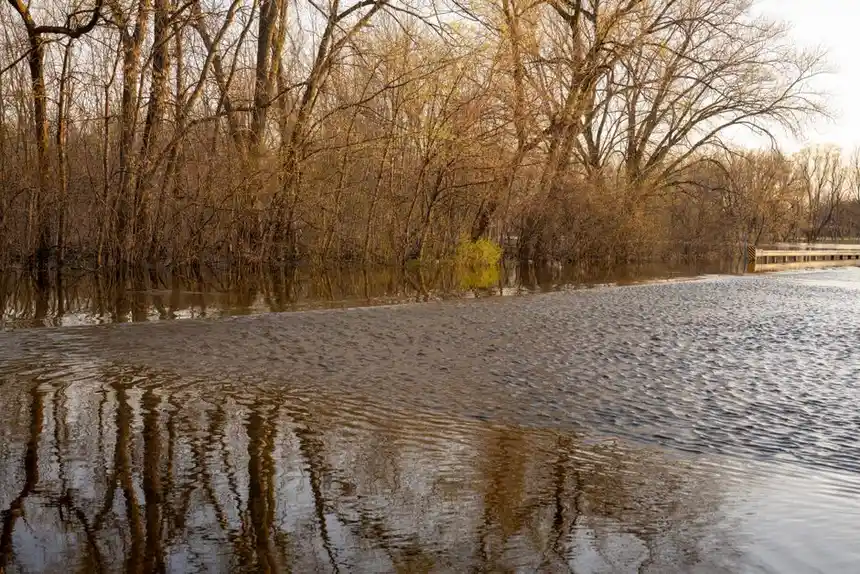
Water backs up into your Birmingham basement because the ground around your foundation is already saturated and the water has nowhere else to go - it pushes through the cove joint, floor cracks, or the drain tile, or it reverses up through a floor drain when the city main surcharges. In most Birmingham homes we inspect, the culprit is one of four things: clay soil that won't absorb rain, aging cast-iron drain lines clogged with roots, a failed sump pump, or a municipal sewer backup during a heavy storm. This post walks through each cause, what it costs to fix in 2026, and when to stop mopping and call a crew.
The Short Answer: Why Water Backs Up in Birmingham Basements
Why is water backing up into my basement in Birmingham is a question about hydrostatic pressure, drain capacity, and soil type - three things that collide every time it rains hard here. Birmingham sits in a valley-and-ridge landscape with a lot of red clay, and clay holds water like a bowl. When 2 inches of rain falls in an hour, that water has to go somewhere. If your foundation drain is clogged or your sump pump is dead, it goes into your basement.
Basement water backup in Birmingham is rarely a single failure. It's usually a system that was marginal ten years ago and finally gave out. The good news: once you know which of the four causes applies to your house, the fix is predictable.
Birmingham's Clay Soil and Heavy Rain Are a Bad Combination
Birmingham's clay soil and heavy rain are a bad combination because clay has a percolation rate of roughly 0.1 to 0.5 inches per hour - meaning a single summer thunderstorm can drop more water than your yard can absorb in a full day. The excess pools against your foundation, and hydrostatic pressure pushes it through any gap it can find.
We see this most in neighborhoods built before 1980, where the original grading has settled and gutters dump water within 3 feet of the house. A downspout that discharges 6 inches from the foundation adds roughly 12 gallons of water per minute during a heavy rain directly to the soil around your basement wall.
Three things make Birmingham's clay problem worse:
- Expansive clay - it swells when wet and shrinks when dry, cracking foundation walls and opening the cove joint over time.
- Hilly terrain - water from uphill neighbors drains toward your lot unless the grading redirects it.
- Older neighborhoods with mature trees - root systems pull moisture out of the soil, creating voids that channel water straight to the foundation.
If your basement takes on water only during prolonged rain, not every storm, clay saturation is almost certainly the driver. For homeowners across the metro, we handle Basement Water Removal in Alabama with truck-mounted extraction and drying equipment that pulls standing water out in hours, not days.
Aging Drain Lines and Tree Roots in Older Birmingham Neighborhoods
Aging drain lines and tree roots in older Birmingham neighborhoods are the second most common cause we find - cast-iron and Orangeburg pipes installed in the 1950s and 1960s have often collapsed or been infiltrated by roots from oaks and pines planted decades ago. When the line clogs, water has nowhere to go but back up through your floor drain.
You can usually tell a drain backup from a groundwater leak by the color and smell. Drain backup water is gray or brown and smells like sewage. Groundwater is clear and smells like dirt. That distinction matters because sewage backup requires different cleanup and disposal than clean groundwater.
Signs your drain line is the problem:
- Water backs up in the basement floor drain only when you run the washing machine or flush a toilet.
- Multiple fixtures drain slowly at the same time.
- You hear gurgling from the floor drain after using water upstairs.
- The backup happens during dry weather, not just after rain.
If any of those sound familiar, the fix is a drain line inspection and rooter service before the next storm. We see this constantly in homes around Water Removal in Birmingham where the original plumbing is still in the ground.
Sump Pump Failures: The Most Common Single Cause
Sump pump failures are the most common single cause of basement water backup in Birmingham homes, and they almost always fail at the worst possible moment - during the heaviest rain of the year. A sump pump that runs continuously for 8 hours during a storm can overheat, trip a breaker, or burn out its motor.
Three failure modes we see:
- Power loss - a storm knocks out electricity, and the pump stops. Without a battery backup, the pit fills in minutes.
- Frozen or clogged discharge line - the line exits the house and can freeze at the exterior wall in a January cold snap, or clog with debris.
- Float switch stuck - the pump never turns on because the float is jammed against the pit wall.
Test your pump before storm season. Pour 5 gallons of water into the pit and watch how long it takes to discharge. If it takes more than 30 seconds or the pump sounds labored, replace it. A new 1/3 HP submersible pump runs $150 to $400 for the unit, and installation adds $200 to $500 depending on discharge line routing. For a failed pump that's already flooded your basement, we offer Sump Pump Failure Water Removal in Alabama with same-day response.
How Do I Stop Water From Backing Up Into My Basement in Birmingham Alabama?
You stop water from backing up into your basement in Birmingham Alabama by fixing the water source first, then the entry point, then the drainage - in that order. Skipping straight to a sump pump without addressing grading or drain lines just moves the problem.
Here's the sequence we recommend:
- Fix the grading. The soil around your foundation should slope away at 6 inches over the first 10 feet. Add clay soil and tamp it to restore the slope.
- Extend downspouts. Discharge at least 6 to 10 feet from the foundation. A $15 downspout extension prevents thousands in water damage.
- Clean or replace the drain line. Have a plumber camera the line from the floor drain to the city main. If roots or collapsed sections are present, repair before the next storm.
- Install or upgrade the sump pump. A 1/3 HP primary pump plus a battery backup covers most Birmingham homes. For chronic backups, a secondary pump is cheap insurance.
- Seal the cove joint and floor cracks. Hydraulic cement or epoxy injection stops water that's already reaching the wall.
- Install a backwater valve. This one-way valve on the sewer line prevents municipal backup from entering your basement during a storm surcharge.
Most of these fixes are weekend projects. The drain line camera and backwater valve install are the two that need a licensed plumber. If you're already dealing with standing water, we handle Standing Water Removal in Alabama and can usually extract and dry a standard basement in 6 to 10 hours.
What to Watch Out For: Mistakes That Make Basement Backup Worse
What to watch out for after a basement backup is the instinct to do the wrong thing fast. We've seen homeowners turn a $2,000 cleanup into a $15,000 mold remediation by skipping a step.
The mistakes that cost the most:
- Walking through sewage backup without PPE. Category 3 water carries bacteria and viruses. Rubber boots, gloves, and a respirator are minimum.
- Using a shop vac on more than an inch of water. A standard shop vac holds 5 to 12 gallons and will burn out its motor on a flooded basement. It also won't pull water from carpet padding.
- Running a box fan on wet carpet. Air movement without dehumidification just spreads moisture into the walls and ceiling.
- Waiting to call for help. Mold can start growing on wet drywall and framing in 24 to 48 hours. Every hour counts.
- Assuming insurance covers it. Standard Alabama homeowners policies exclude sewer backup unless you added the endorsement. Check your declarations page before you file.
If the water is more than ankle-deep or has been sitting more than a few hours, stop and call a crew. We handle Sewage Water Removal in Alabama with full containment and disposal, which is not something you want to DIY.
When to Call a Professional for Basement Water Removal in Birmingham
Call a professional for basement water removal in Birmingham when the water is deeper than 1 inch, when it's contaminated (sewage, gray water, or floodwater), when it's been standing more than 4 hours, or when you can't find the source. Those four conditions mean the job is bigger than towels and a shop vac.
Our team at AL Water Remover Pros handles the full job: we find the source, extract the water, remove damaged materials, dry the space with commercial dehumidifiers and air movers, and treat for mold prevention. We work with your insurance adjuster directly and bill most carriers directly.
We serve homeowners across the metro, including Water Removal in Redstone Arsenal and the surrounding communities. If you're not sure whether you need a pro, call and describe what you're seeing - we'll tell you honestly whether it's a DIY job or a crew job.
Frequently Asked Questions
Why is water backing up into my basement in Birmingham?
Water backs up into Birmingham basements because clay soil can't absorb heavy rain fast enough, so hydrostatic pressure pushes groundwater through foundation cracks and the cove joint. Aging drain lines clogged with tree roots and failed sump pumps are the other two main causes. If the backup happens during dry weather, it's almost always a drain line issue.
How do I stop water from backing up into my basement in Birmingham Alabama?
Fix the source first: restore grading so soil slopes 6 inches away from the foundation over 10 feet, extend downspouts 6 to 10 feet, and have your drain line camera-inspected for roots or collapse. Then install or replace the sump pump with a battery backup, seal the cove joint, and add a backwater valve on the sewer line. That sequence stops 90% of backups.
Who fixes basement water backup in Birmingham?
A licensed plumber fixes the drain line and backwater valve. A water removal company like AL Water Remover Pros handles extraction, drying, and mold prevention. For sewage backups, you need a company certified for Category 3 water - not a general handyman. We handle both the cleanup and coordinate with your plumber for the source repair.
Does Alabama homeowners insurance cover basement water backup in Birmingham?
Standard Alabama homeowners policies exclude sewer and drain backup unless you purchased the endorsement, which typically costs $50 to $150 per year and covers $5,000 to $25,000. Groundwater flooding is excluded under all standard policies and requires a separate NFIP flood policy. Check your declarations page - if you see "water backup" listed, you're covered.
How much does basement water removal cost in Birmingham in 2026?
Typical 2026 pricing in Birmingham runs $1,200 to $3,500 for a standard basement extraction and dry-out, depending on square footage and water category. Sewage cleanup runs $3,000 to $8,000 because of containment and disposal requirements. Most insurance-covered jobs leave you with just your deductible.
Get Help With Water Removal in Birmingham
If water is backing up into your basement right now, don't wait for it to drain on its own - mold starts in 24 to 48 hours and the damage compounds fast. Our team responds same-day across the Birmingham metro with truck-mounted extraction, commercial drying equipment, and direct insurance billing.
Call AL Water Remover Pros at (833) 640-1438 and we'll walk you through what to do while we're on the way.